Sprinkler System Installation Guide
- Home
- project detail
Project detail
SPRINKLER INSTALLATION GUIDE
A properly designed sprinkler system does more than water your lawn. It distributes water efficiently across different landscape areas while providing the right coverage and water pressure for each zone. Professional installation includes system planning, irrigation zones, sprinkler head selection and placement, valves, piping, controller setup, and final testing to help create a reliable and efficient irrigation system.
What Goes Into a Sprinkler System Installation
A professional sprinkler system starts with proper planning. The property is evaluated to determine watering needs, available water pressure, landscape layout, sun exposure, and the best locations for irrigation zones. Proper design helps provide consistent coverage while reducing dry areas, overspray, and unnecessary water use.
How a Sprinkler System Is Installed
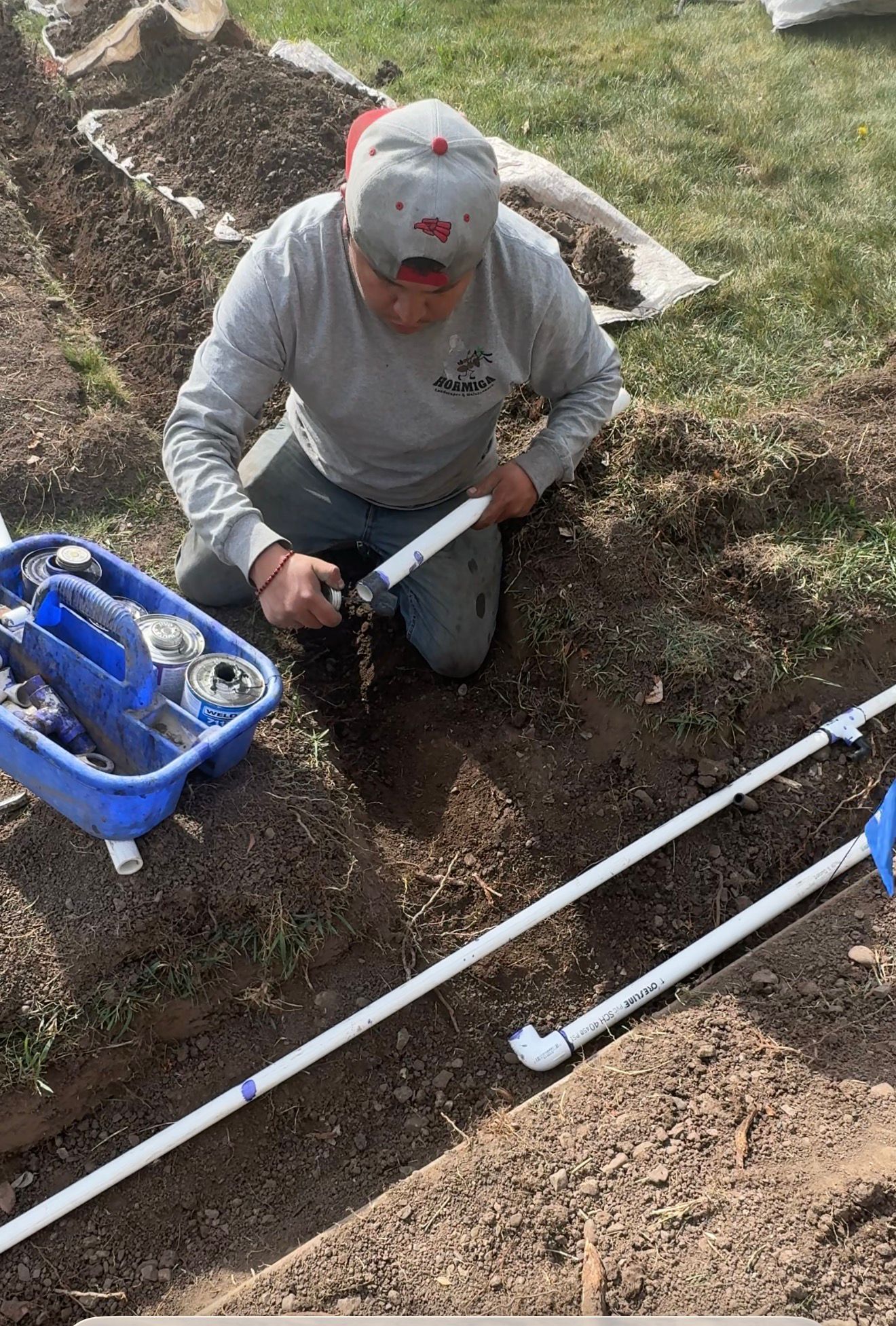
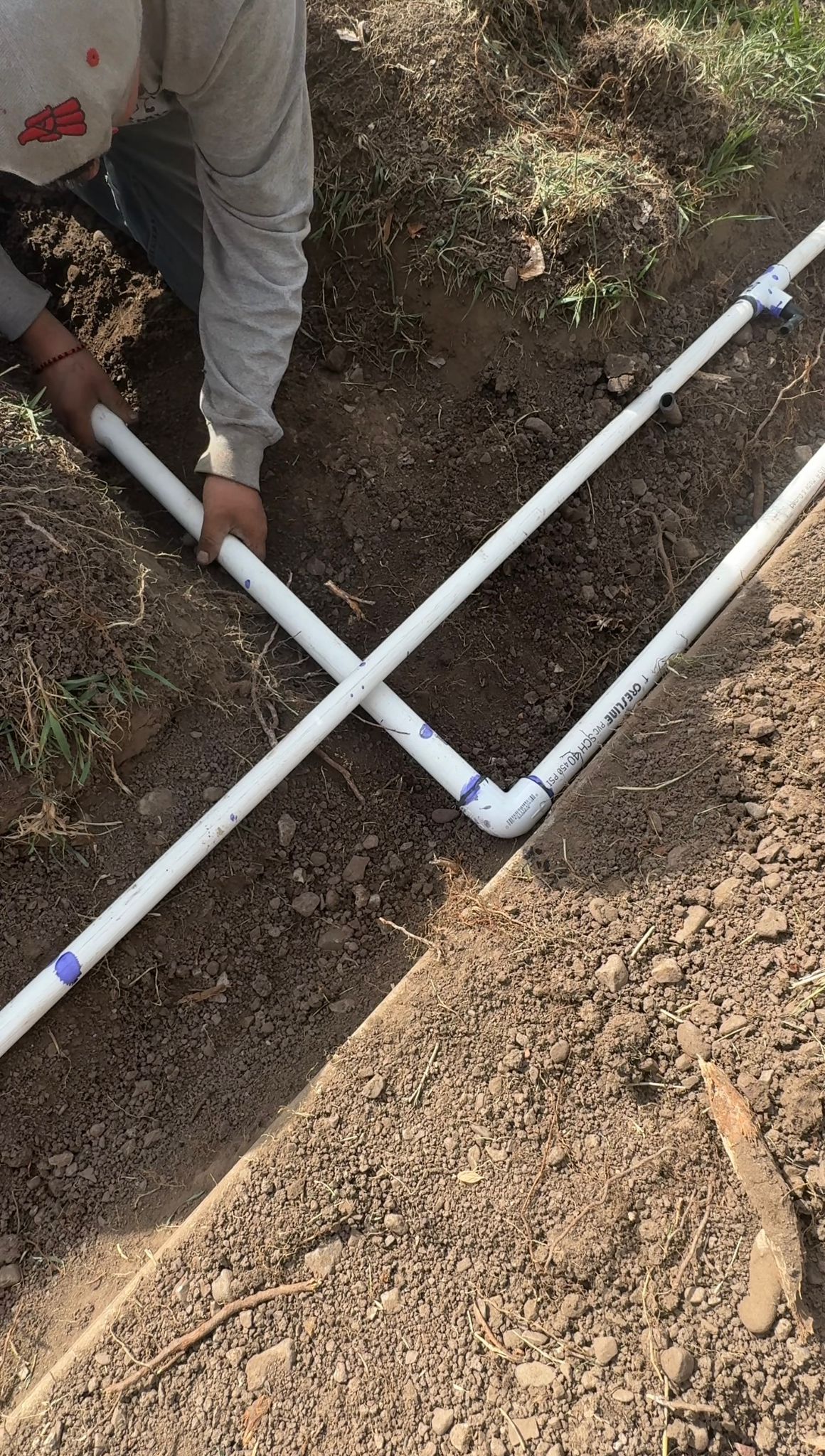
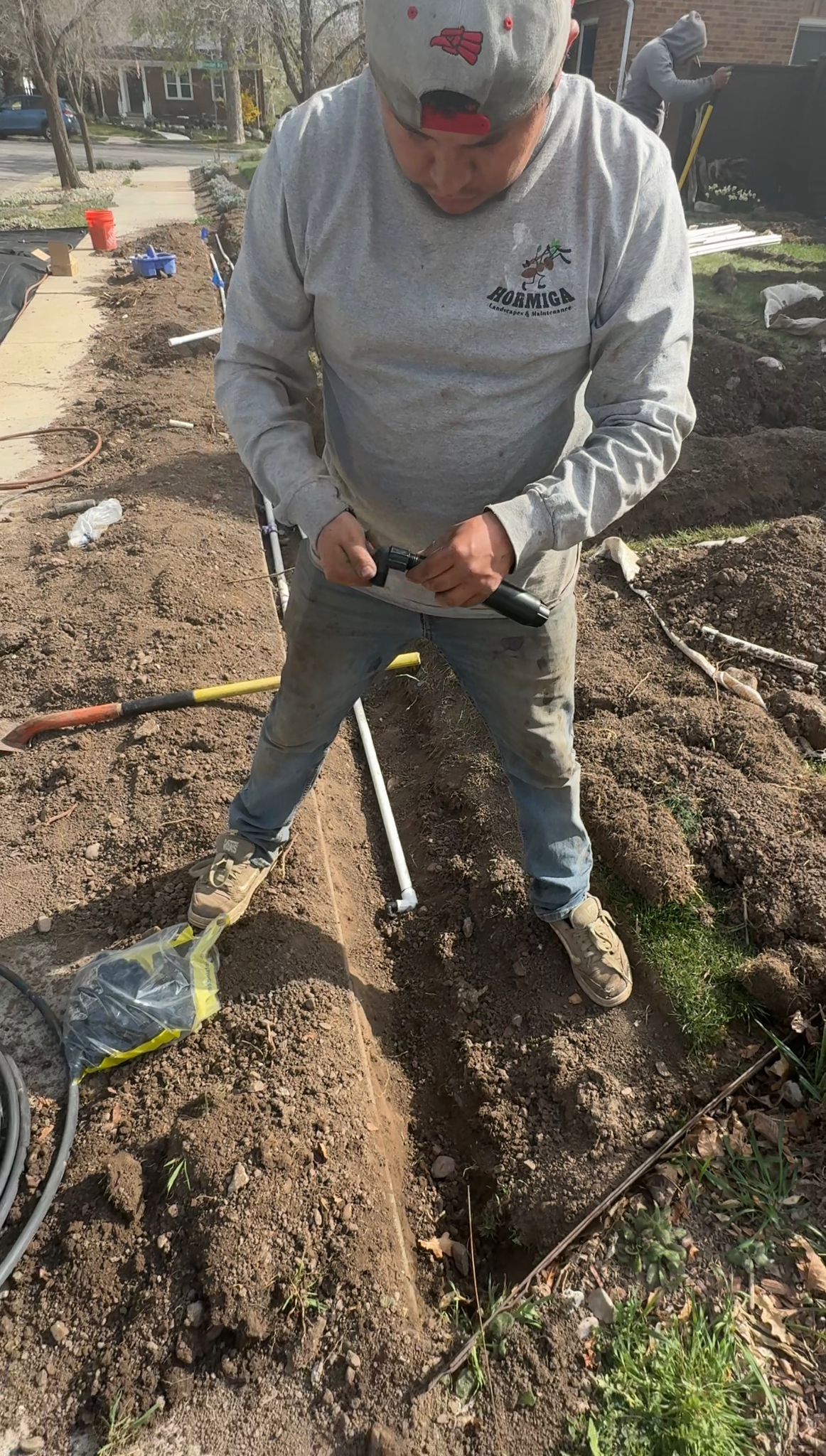
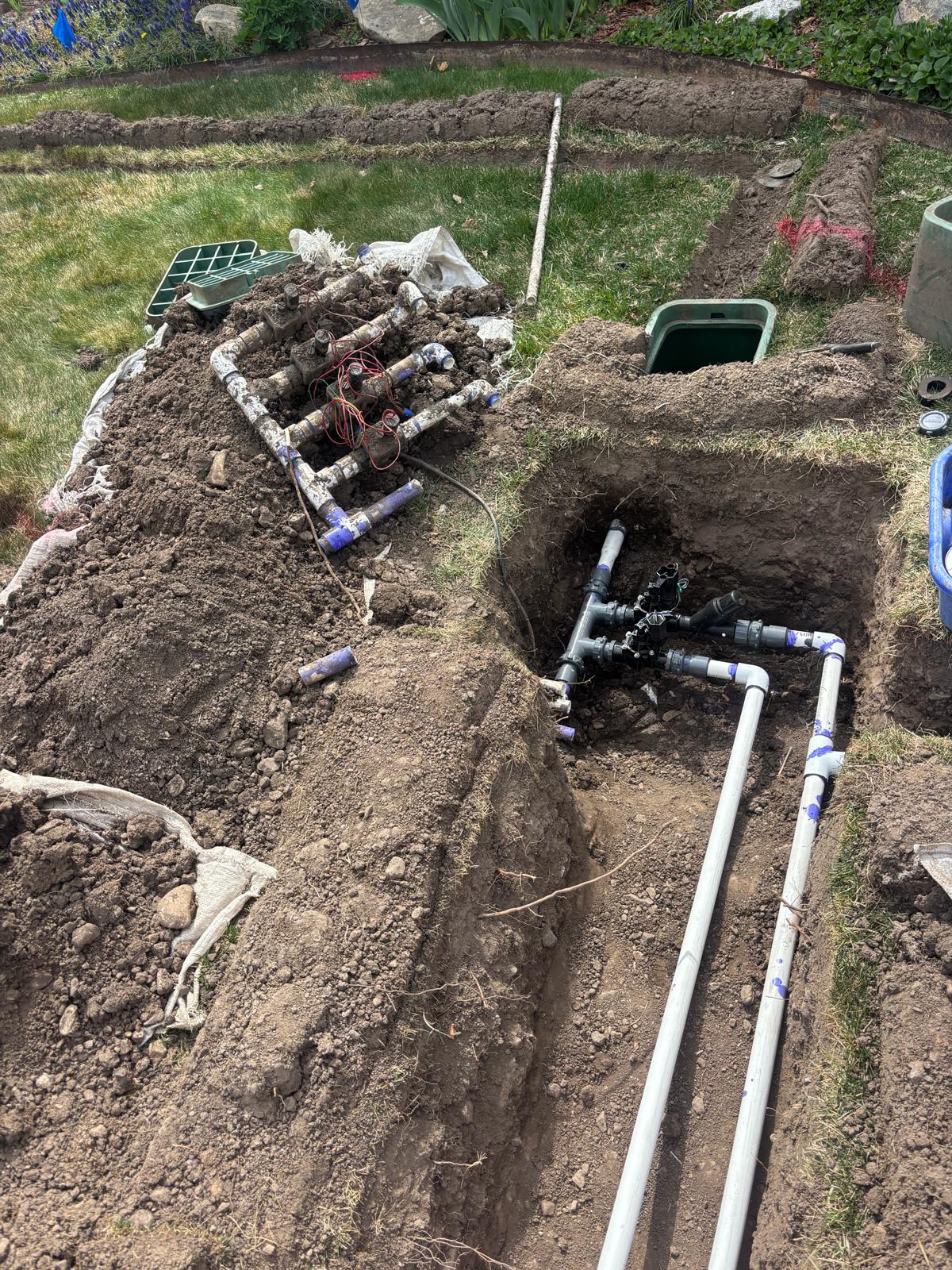
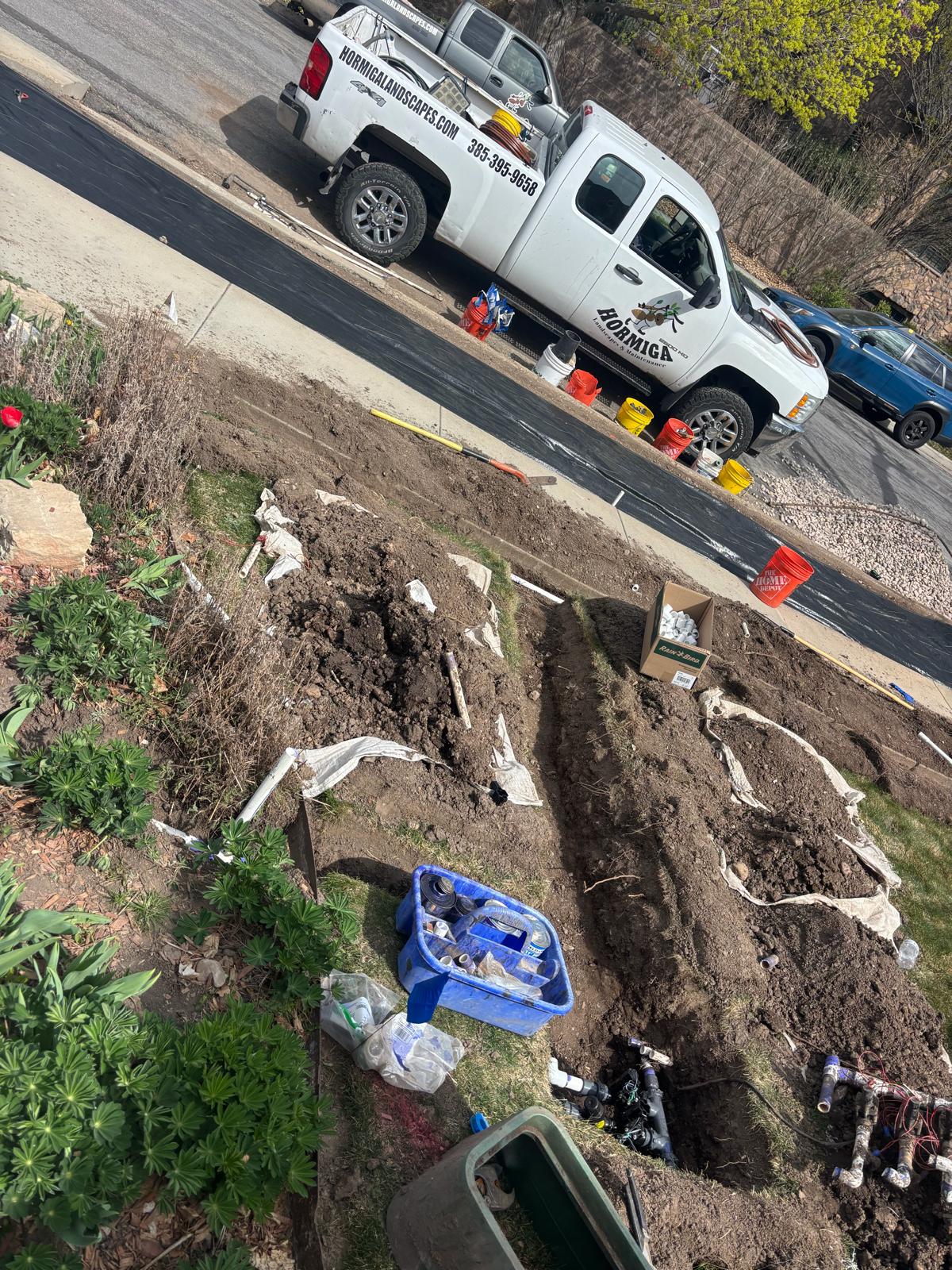
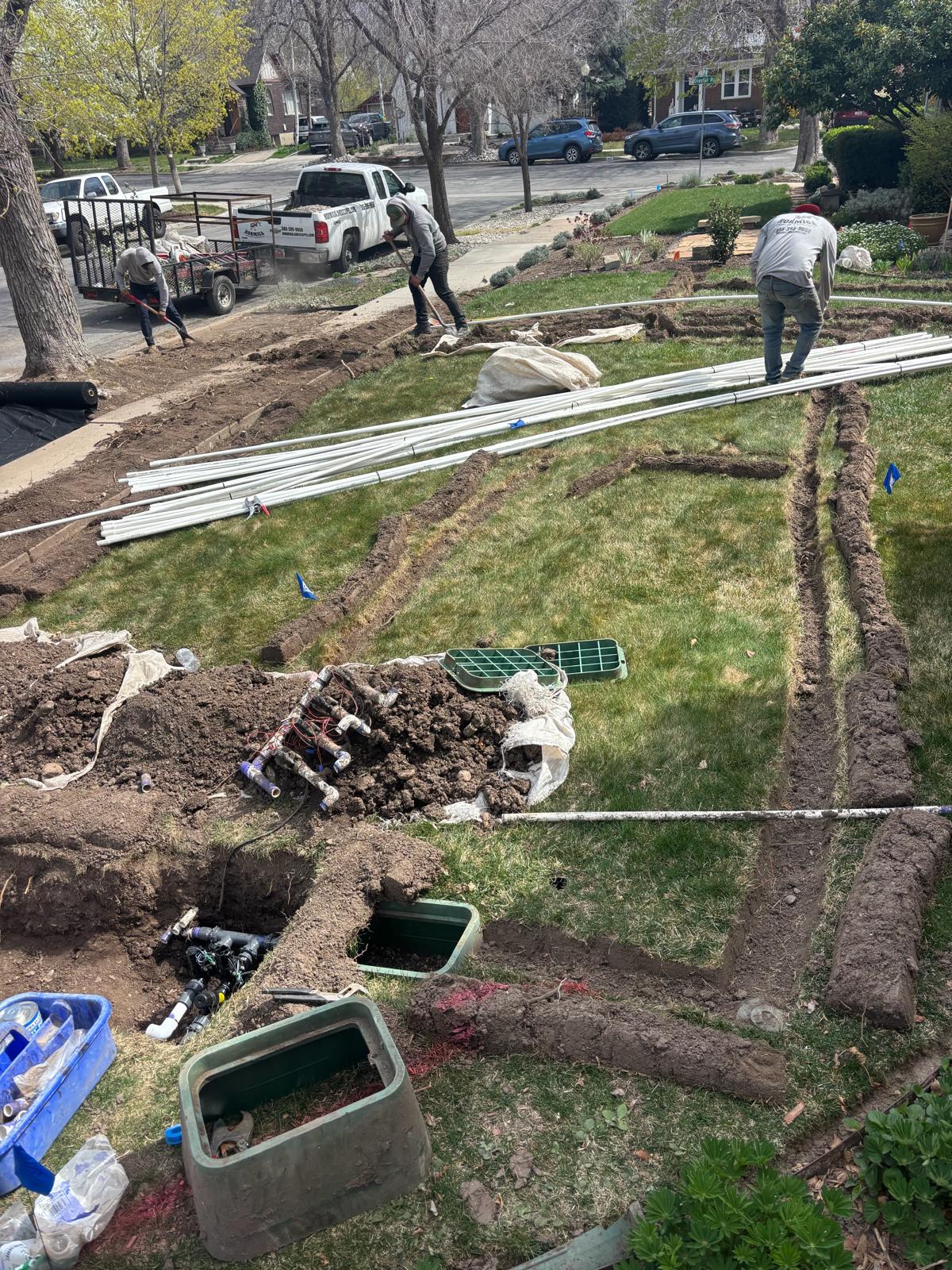
Installation typically includes laying underground irrigation lines, installing valves and sprinkler heads, creating individual watering zones, connecting the irrigation controller, and configuring the system for the property. Spray heads, rotors, and drip irrigation may be used in different areas depending on the landscape and watering requirements.
Why Professional Installation Matters
A properly installed irrigation system can provide more uniform coverage, better control of watering schedules, and improved water efficiency. Correct pipe sizing, sprinkler placement, pressure management, valve installation, and controller setup also help prevent common problems such as low pressure, uneven watering, leaks, and excessive runoff.
Sprinkler Installation Information
Service:
New System Installation
Property Types:
Residential & Commercial
Systems:
Spray • Rotor • Drip
Service Area:
Utah
READY FOR A NEW SPRINKLER SYSTEM?
Professional Sprinkler System Installation
Get an irrigation system designed for reliable coverage, efficient watering, and the specific needs of your property.
faqs
Frequently asked questions
A professional sprinkler installation can include system design, irrigation zones, underground piping, valves, sprinkler heads, drip irrigation where appropriate, controller setup, pressure testing, coverage adjustments, and final system testing.
The system is planned around the property's landscape, water source, available pressure, sun exposure, lawn and planting areas, and watering requirements. Zones are designed so different areas can receive the appropriate amount of water.
Depending on the property, a system may use spray heads, rotary nozzles, rotors, or drip irrigation. Different sprinkler types can be combined into separate zones to provide efficient coverage for lawns, planting beds, shrubs, and other landscaped areas.
There is no fixed number. The number of zones depends on property size, water pressure and flow, landscape layout, sprinkler type, and the watering needs of different areas. A properly designed system separates areas that require different watering schedules.
Yes. Some systems can be improved by replacing sprinkler heads, valves, controllers, damaged irrigation lines, or inefficient components. The existing system should be inspected first to determine whether upgrading or installing a new system makes more sense.
Yes. Utah Sprinkler Experts provides sprinkler and irrigation system installation for residential and commercial properties, with the system designed around the specific irrigation requirements of each property.
How a New Sprinkler System Comes Together
A reliable sprinkler system starts with proper planning and installation. From evaluating the property and designing irrigation zones to installing underground lines, valves, sprinkler heads, and the controller, each part of the system must work together to provide efficient and consistent coverage.
01. System Design & Planning
02. Underground Installation
03. Testing & Final Adjustments