Sprinkler Winterization & Blowouts

service detail

Protect Your Sprinkler System Before Utah’s Freezing Temperatures Arrive

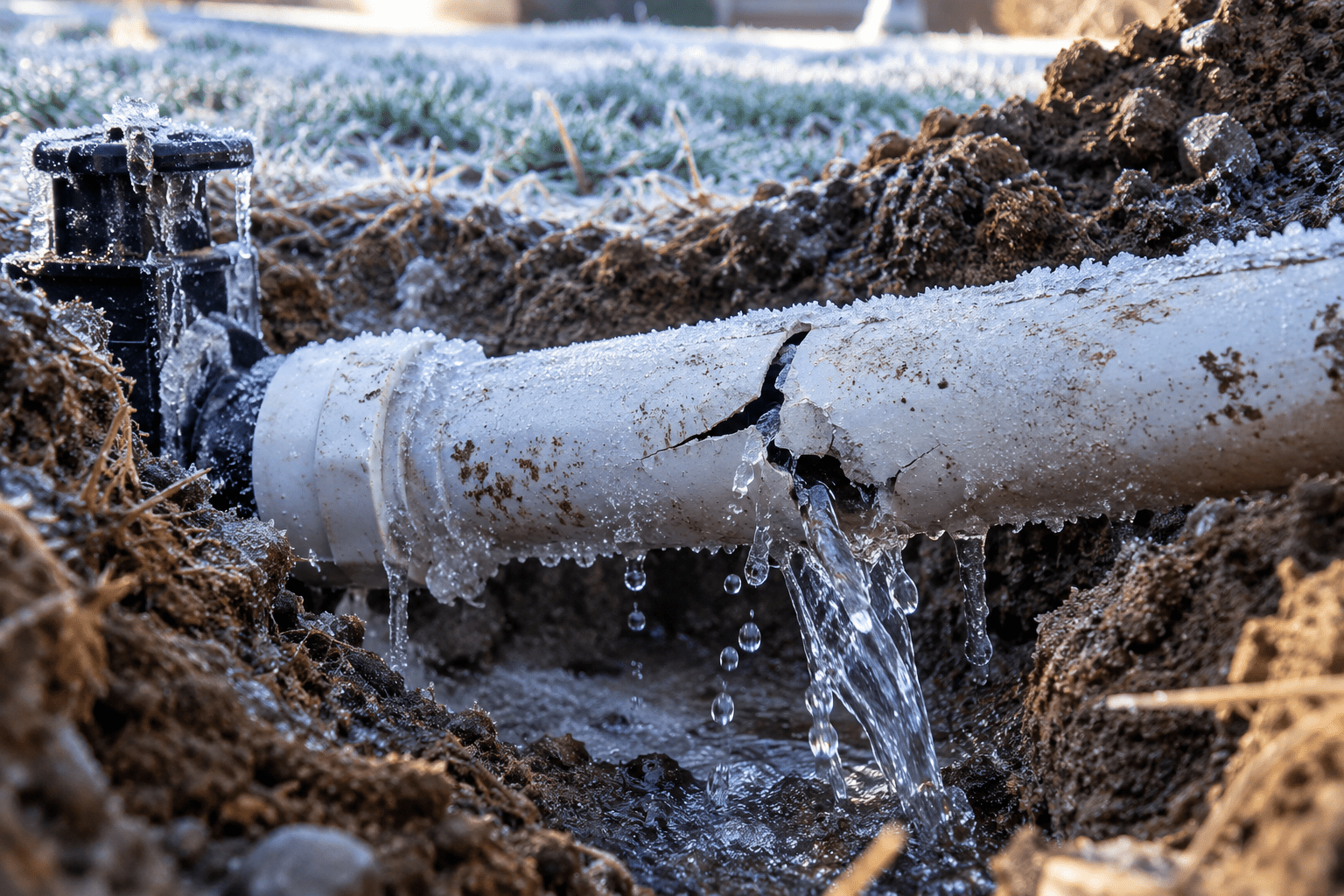
Utah winters can be hard on irrigation systems. Water left inside sprinkler lines, valves, sprinkler heads, backflow preventers, and other components can freeze and expand, potentially causing cracks, leaks, and expensive repairs when the system is turned back on in spring.

Our professional sprinkler winterization and blowout service helps remove remaining water from the irrigation system and prepares it for Utah’s winter conditions. With 15 years of experience, Hormiga Landscapes provides professional winterization for residential and commercial sprinkler systems throughout the Wasatch Front.

What Our Sprinkler Winterization Service Includes

We don’t simply turn off your sprinkler controller. Proper winterization means preparing the irrigation system itself for freezing temperatures. Our technicians work through the system to help reduce the risk of water being trapped in vulnerable components.

Our Winterization Process

01.

Shut Off & Inspect

We shut off the irrigation water supply and inspect the system before beginning the winterization process.

02.

Professional Blowout

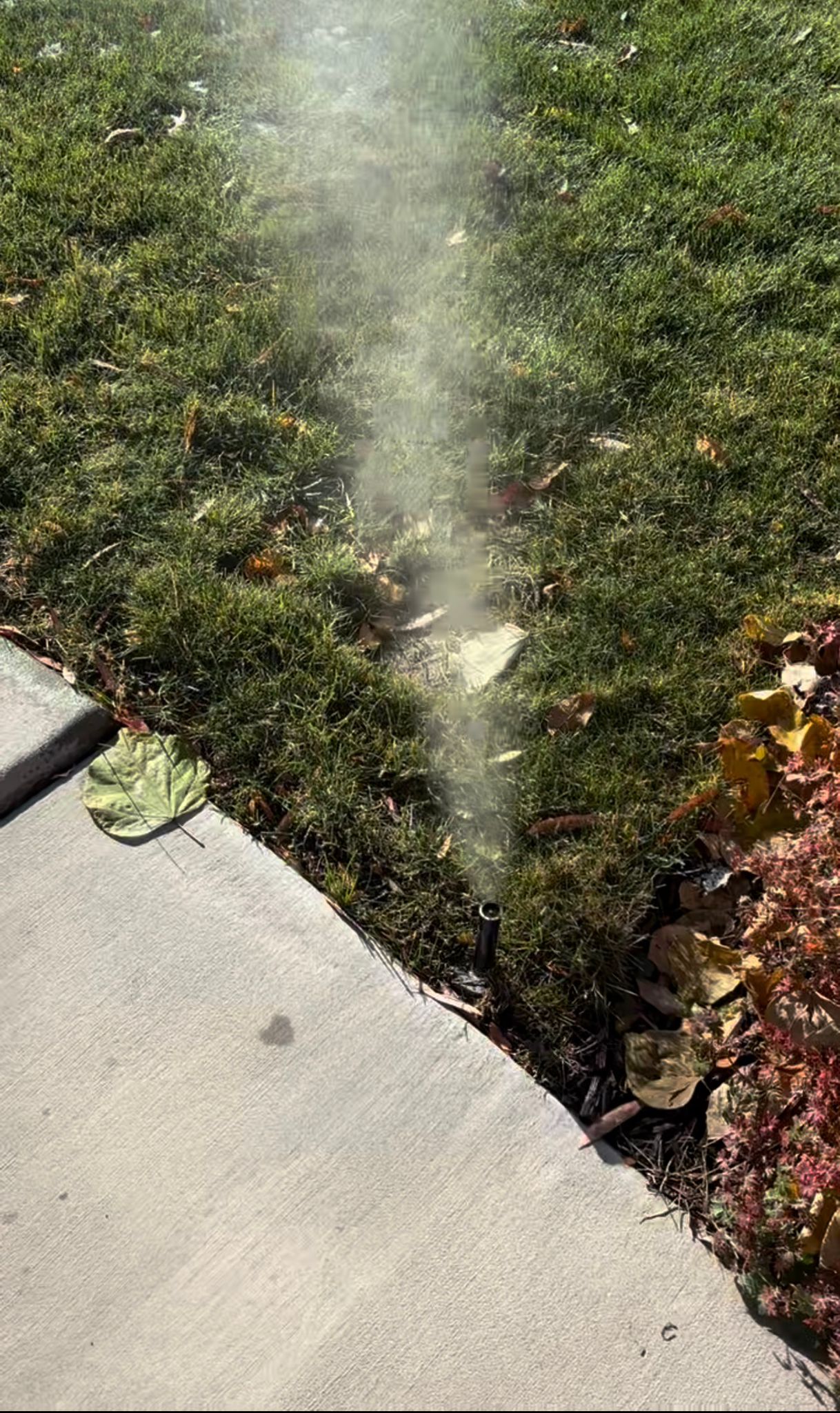
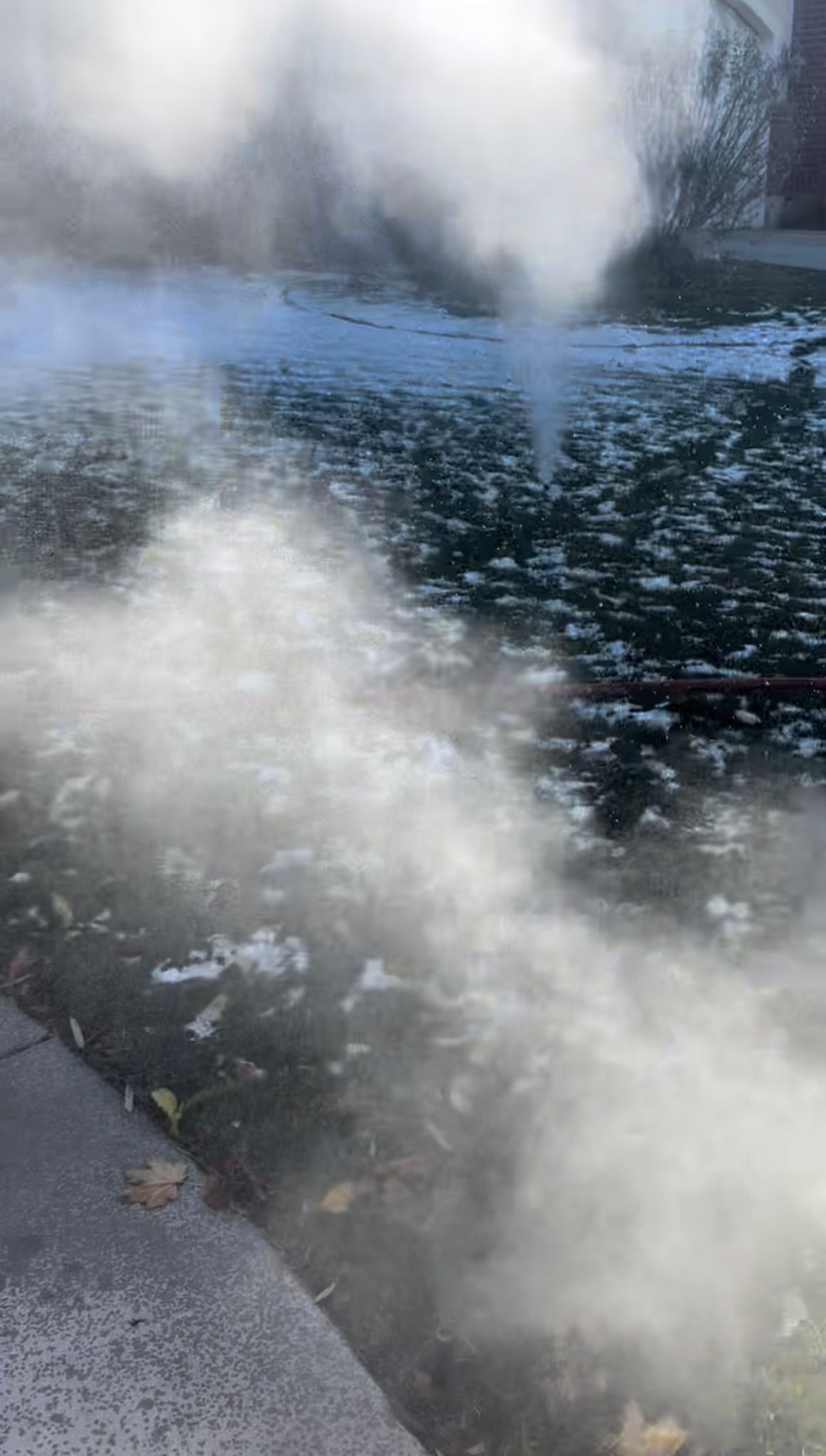
We use compressed air to clear remaining water from each sprinkler zone, helping protect pipes, valves, heads, and other irrigation components from freeze damage.

03.

Final Winter Check

We verify the system has been properly winterized and check vulnerable components, including the backflow preventer when applicable, so your sprinkler system is prepared for Utah’s freezing temperatures.

Other Sprinkler Services

PROTECT YOUR SPRINKLER SYSTEM

Winter Is Coming. Protect Your Sprinklers.

Schedule your professional sprinkler blowout before Utah’s freezing temperatures arrive. Help prevent frozen pipes, damaged valves, cracked fittings, and costly spring repairs.

faqs

Frequently asked questions

For most Utah properties, sprinkler winterization is typically scheduled in the fall before sustained freezing temperatures arrive. The exact timing depends on your location, elevation, weather conditions, and whether your property uses secondary or culinary water. We recommend scheduling early rather than waiting for the first hard freeze.

Water can remain trapped inside sprinkler lines, valves, fittings, and other irrigation components. When that water freezes, it expands and can contribute to cracks, leaks, and damaged components. A professional blowout uses compressed air to help remove remaining water and prepare the system for freezing Utah temperatures.

Yes. Even when a Utah secondary water provider shuts off its seasonal supply, water can remain inside the irrigation system on your property. Proper shutdown, drainage, and winterization can help protect sprinkler lines, valves, and other components.

Culinary-water irrigation systems also need to be prepared for winter. These systems may include a backflow prevention assembly in addition to valves and irrigation piping. The water supply must be properly shut off and the irrigation system winterized according to its configuration.

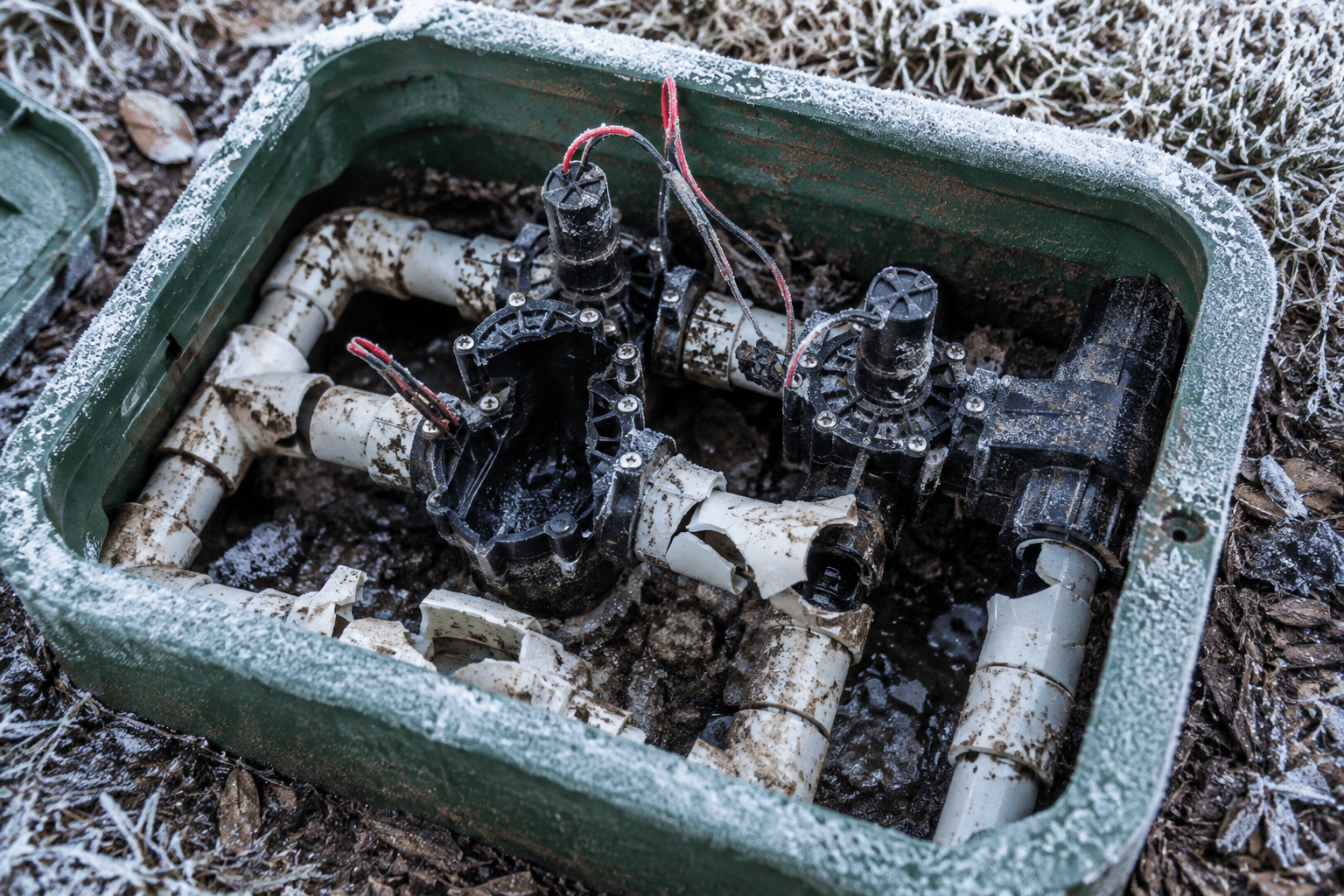
Water left in vulnerable parts of the irrigation system can freeze during Utah's winter. Damage may include cracked pipes or fittings, damaged valves, sprinkler heads, or backflow components. Some freeze damage may not become apparent until the system is turned on again in spring.

Yes. We provide professional sprinkler winterization and blowout services for residential and commercial irrigation systems. Hormiga Landscapes brings 15 years of experience servicing sprinkler systems and preparing Utah properties for winter.

Why Winterize Your Sprinkler System?

Prevent Frozen Pipes
Water trapped inside irrigation pipes can freeze and expand, putting pressure on PVC, polyethylene, fittings and other components.

Protect Sprinkler Valves

Valves contain small internal components that can be damaged when trapped water freezes.

Protect Your Backflow Preventer

On systems connected to culinary water, the backflow preventer is an especially important component to properly prepare for winter.

Reduce the Risk of Spring Leaks

Freeze damage can remain hidden throughout winter. Sometimes the problem isn't discovered until the irrigation system is turned on again in spring.

Protect Your Investment

Preventive winterization can help avoid unnecessary repairs and extend the useful life of irrigation components.

Start Spring With Confidence

A properly winterized system is in a better position for inspection and startup when watering season returns.
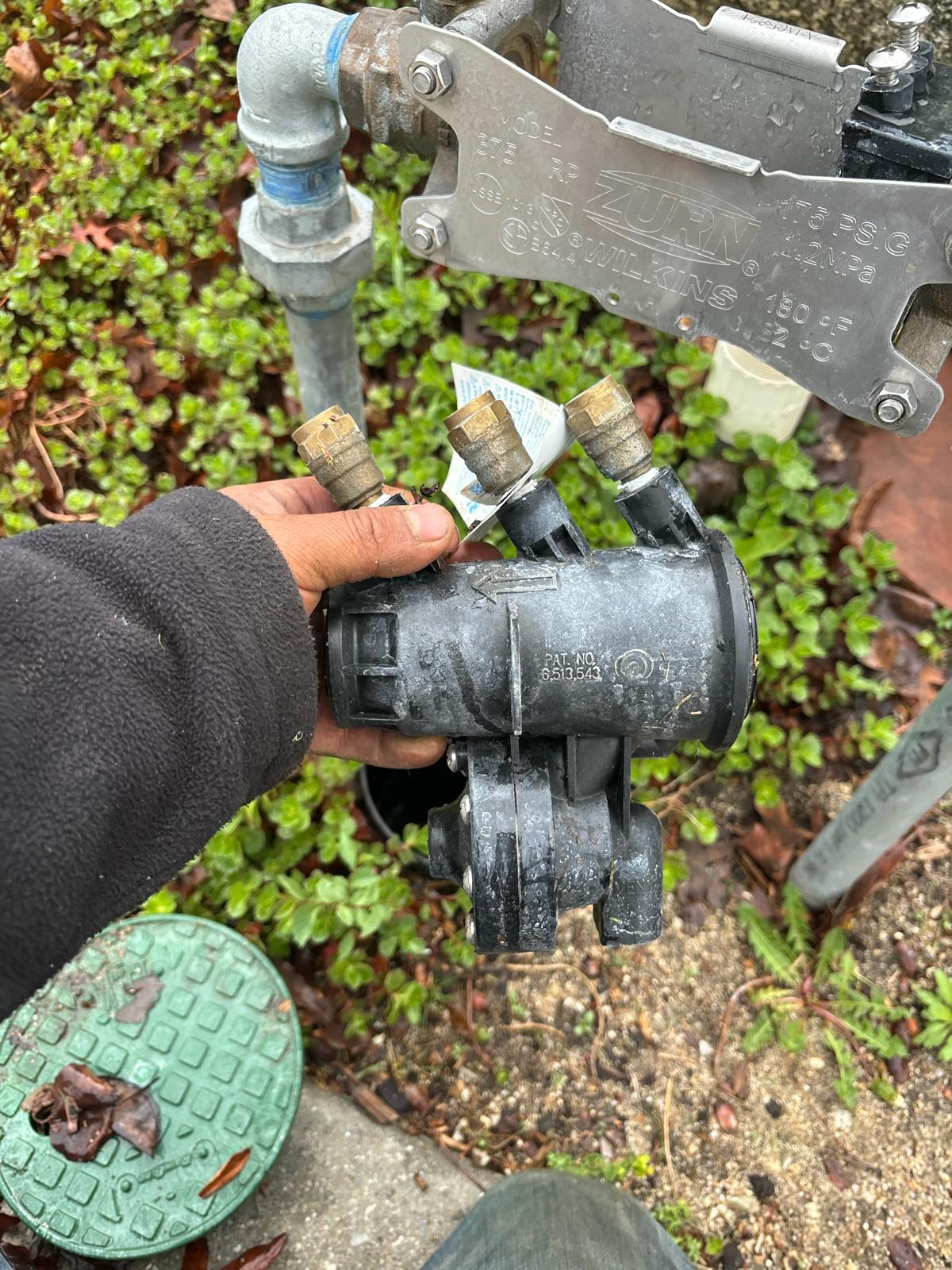
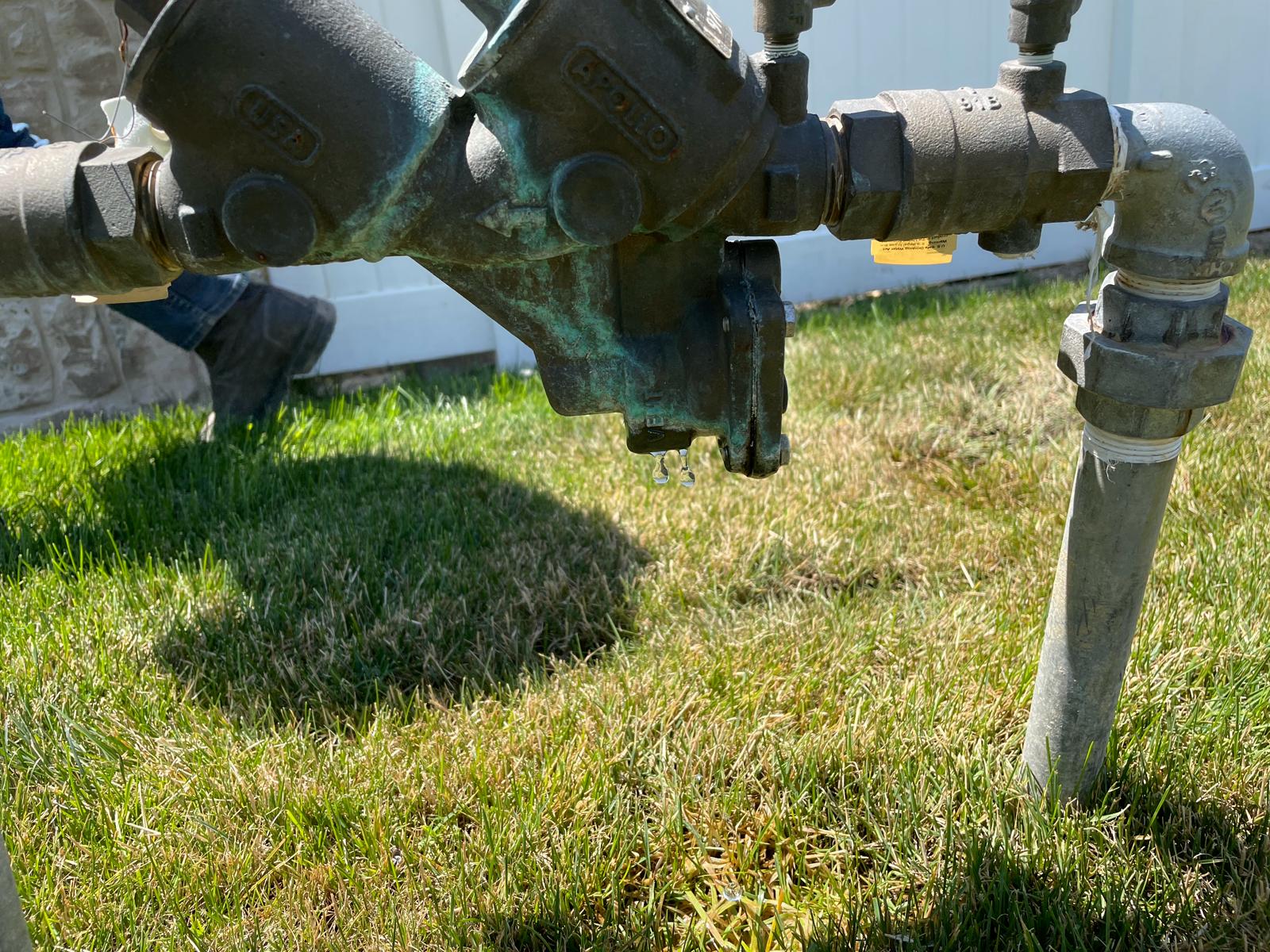
Secondary Water vs. Culinary Water Winterization

Many Utah communities use pressurized secondary water for landscape irrigation. Even when your city or water provider shuts down the secondary water supply for the season, water may still remain inside your property's irrigation lines and components.Your individual sprinkler system should still be properly shut down, depressurized, drained, and winterized.

When Should I Winterize My Sprinklers in Utah?

Don't wait for the first major freeze.The best time to winterize is after your landscape's primary watering season is ending but before sustained freezing temperatures create a risk to your irrigation system.For many properties along the Wasatch Front, this means scheduling winterization during October, although the correct timing depends on weather conditions, elevation, location, and your water provider's seasonal shutdown schedule.Appointments can fill quickly as freezing weather approaches, so scheduling ahead is the safest option.

Don't Let Winter Damage Your Sprinkler System

A sprinkler system can look perfectly fine all winter and still have freeze damage hidden underground. Protect your irrigation system before temperatures drop.

15 Years of Experience • Residential & Commercial • Professional Sprinkler Winterization