Sprinkler Winterization & Blowouts Guide
- Home
- project detail
SPRINKLER WINTERIZATION & BLOWOUTS GUIDE
HOW SPRINKLER WINTERIZATION & BLOWOUTS WORK
Sprinkler winterization helps protect an irrigation system from freezing temperatures by removing water that can remain inside pipes, valves, and sprinkler components. This guide explains how professional sprinkler blowouts work, when systems should be winterized in Utah, and why proper preparation can help prevent costly freeze damage.
What Happens During Sprinkler Winterization
Sprinkler winterization begins by shutting off the irrigation water supply and preparing the system for freezing temperatures. Water remaining inside irrigation lines, valves, sprinkler heads, and other components must be removed to reduce the risk of expansion, cracking, and costly freeze damage.
How a Sprinkler Blowout Works
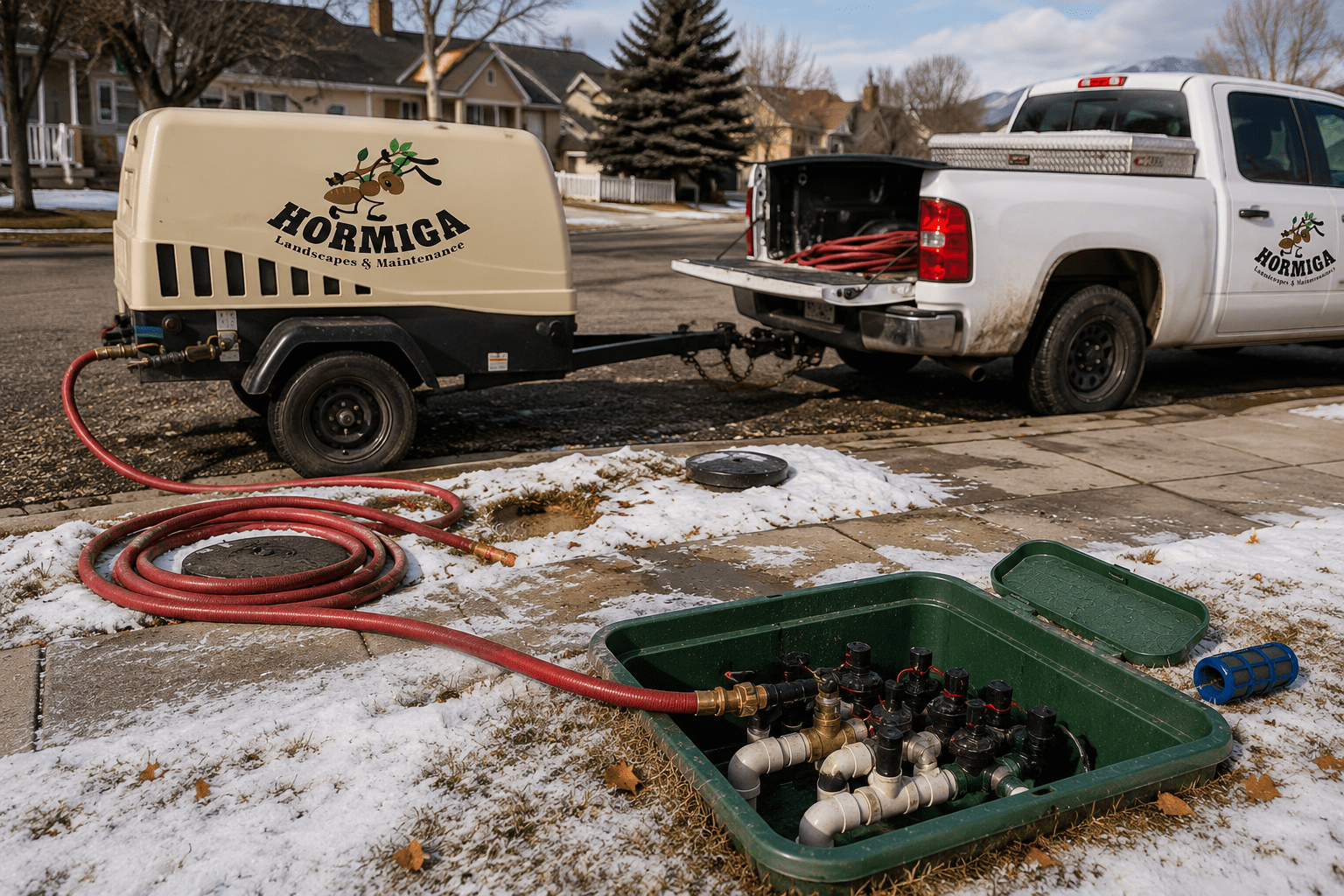
During a professional sprinkler blowout, compressed air is carefully introduced into the irrigation system to push remaining water out of the pipes, valves, and sprinkler heads. Each irrigation zone is cleared individually to help protect the entire system before freezing temperatures arrive.
Why Sprinkler Winterization Matters in Utah
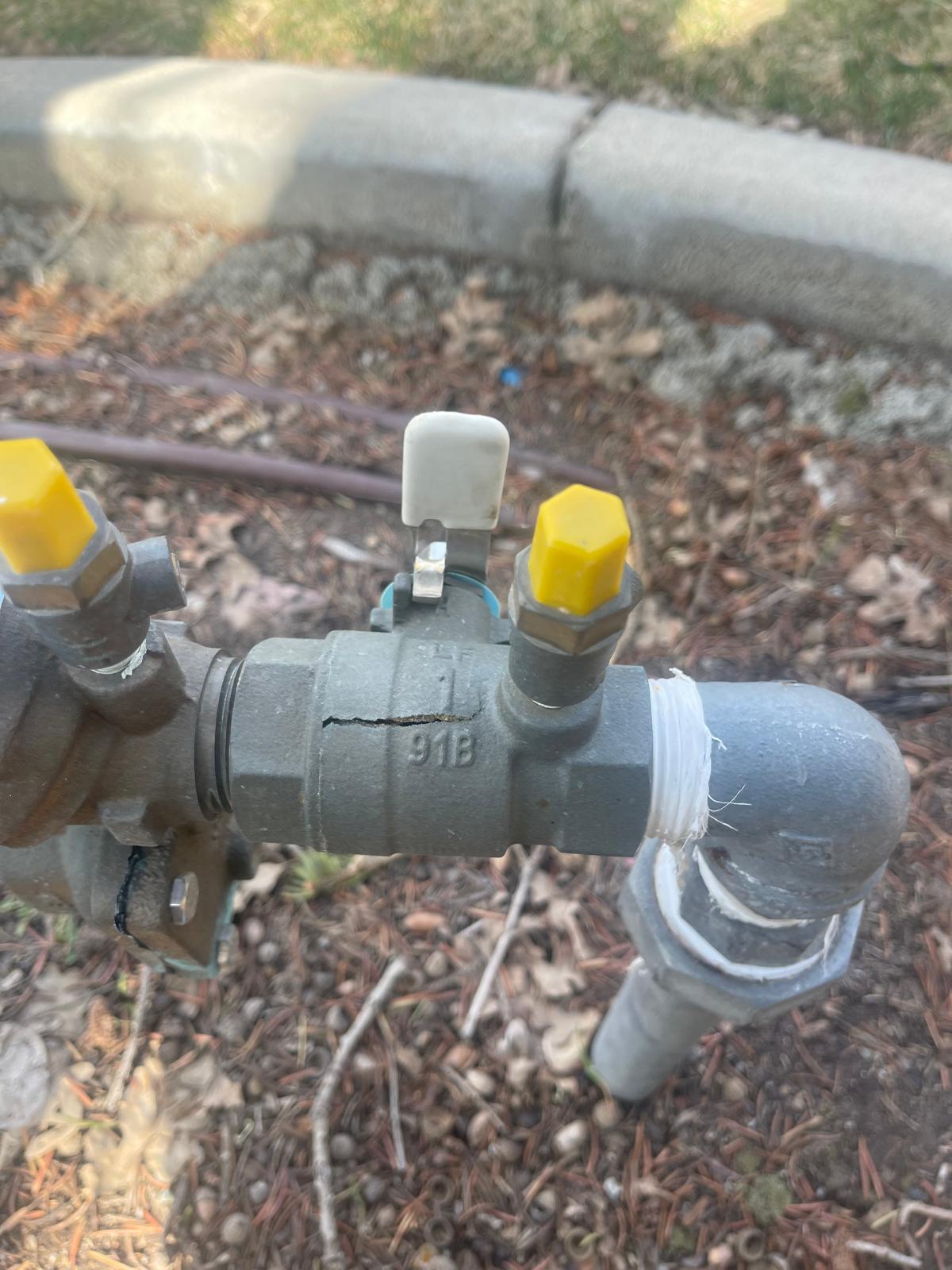
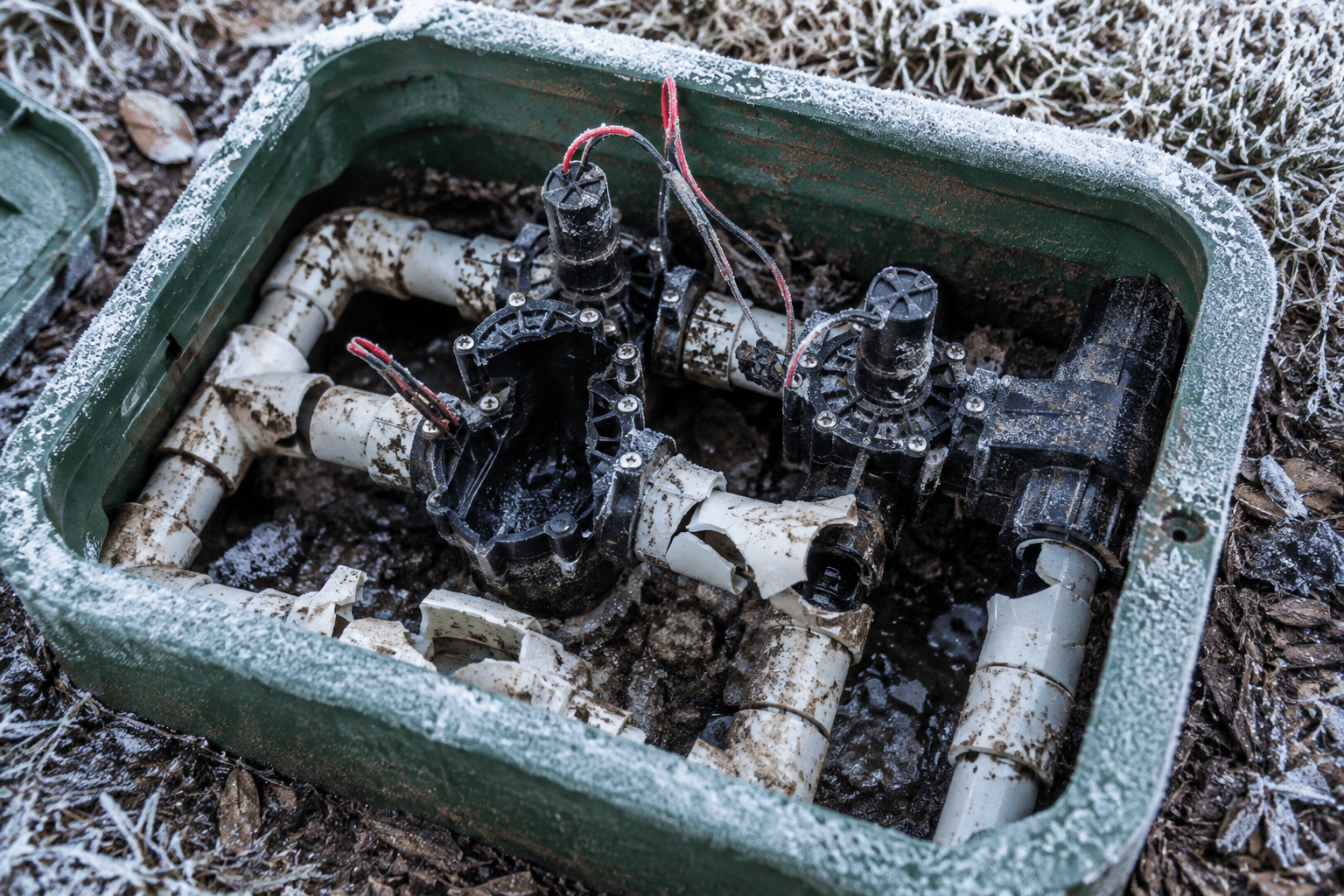
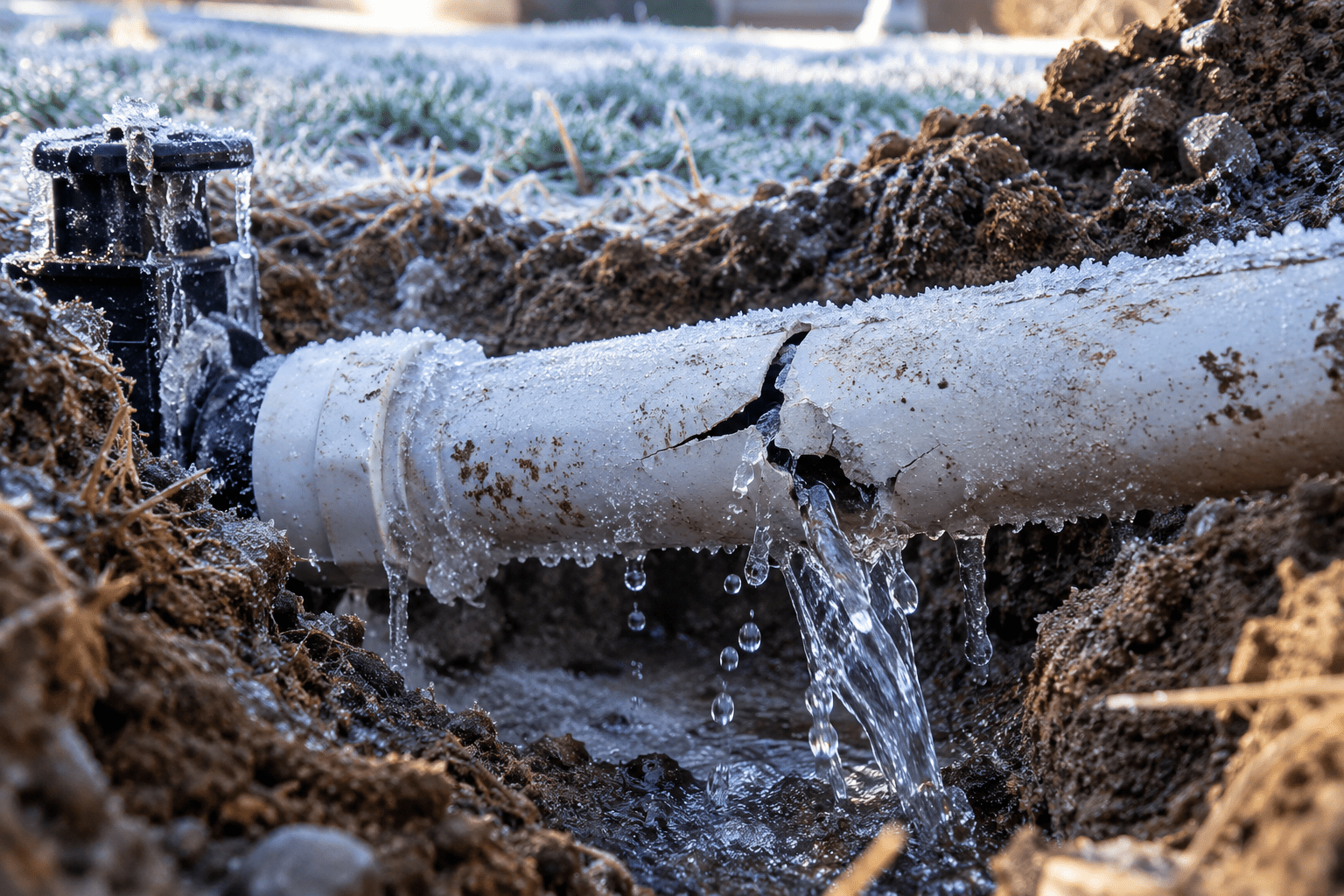
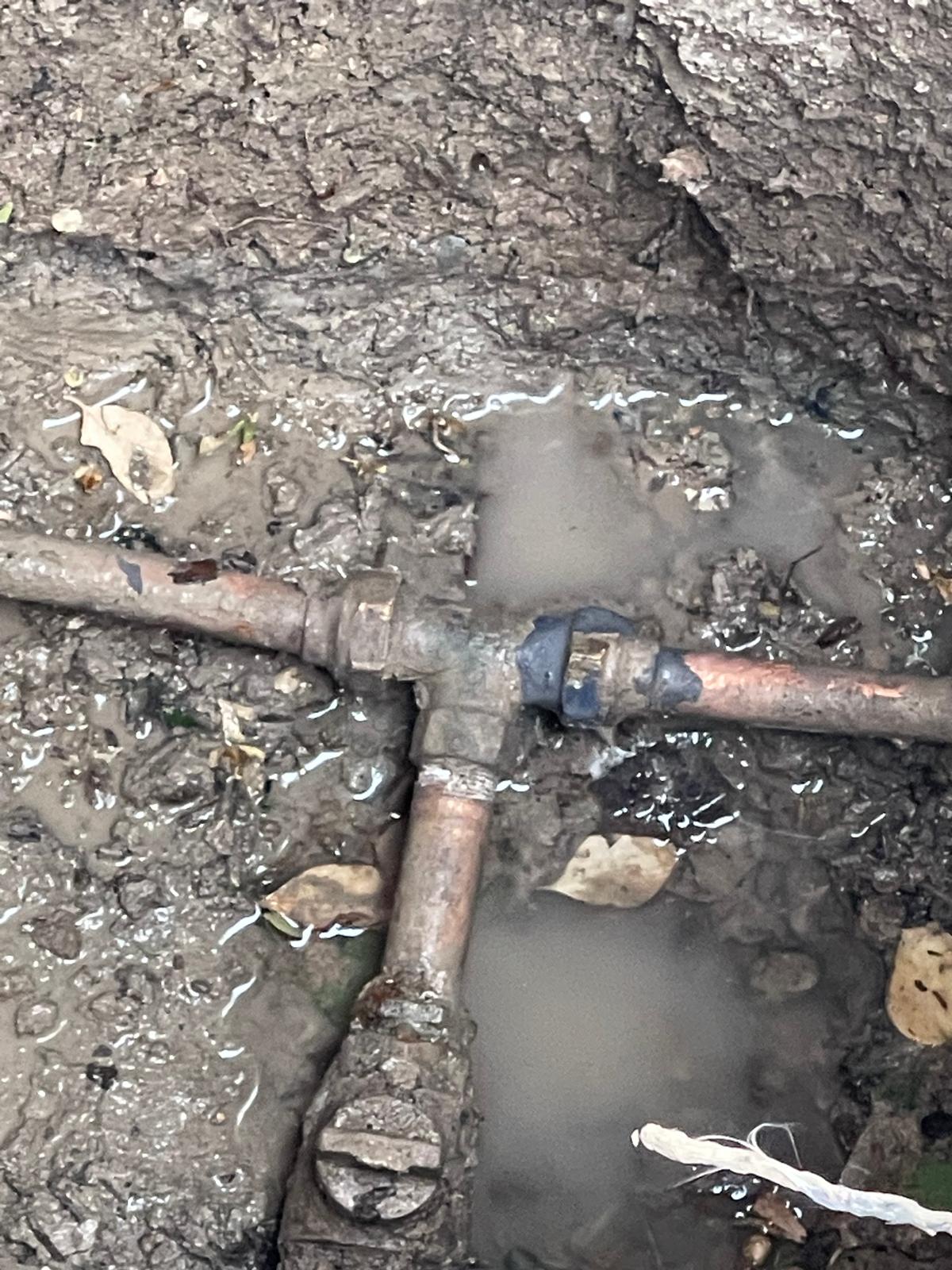
Utah’s freezing winter temperatures can damage irrigation systems when water is left inside pipes, valves, backflow components, and sprinkler heads. Proper winterization helps reduce the risk of cracked pipes, broken valves, leaks, and expensive repairs when the sprinkler system is started again in spring.
SPRINKLER SYSTEM INSTALLATION GUIDE
Service:
SPRINKLER WINTERIZATION & BLOWOUTS GUIDE
Property Types:
Residential & Commercial
Systems:
Spray • Rotor • Drip
Service Area:
Utah
SPRINKLER WINTERIZATION & BLOWOUTS GUIDE
How Sprinkler Winterization & Blowouts Work
Learn how sprinkler winterization and blowouts help protect irrigation pipes, valves, and sprinkler components from costly freeze damage during Utah winters.
faqs
Frequently asked questions
Sprinkler winterization is the process of preparing an irrigation system for freezing temperatures. It typically includes shutting off the water supply and removing water from irrigation lines, valves, sprinkler heads, and other components to help prevent freeze damage.
Utah regularly experiences freezing winter temperatures. Water left inside irrigation pipes, valves, backflow components, and sprinkler heads can freeze and expand, potentially causing cracks, leaks, and expensive sprinkler repairs.
Sprinkler systems should generally be winterized before consistent freezing temperatures arrive. In Utah, many property owners schedule winterization during the fall so the irrigation system is protected before the first hard freezes.
During a sprinkler blowout, compressed air is carefully introduced into the irrigation system to push remaining water out of the lines and sprinkler components. Each irrigation zone is cleared individually to help prepare the system for winter.
Yes. Water trapped inside sprinkler pipes, valves, fittings, and other irrigation components can freeze and expand. This pressure can crack or damage parts of the system and may cause leaks when the sprinklers are turned on again in spring.
Yes. Both residential and commercial irrigation systems can be vulnerable to freeze damage. Proper winterization helps protect sprinkler lines, valves, heads, and other components during Utah’s cold winter months.
How Sprinkler Winterization Protects Your System
Proper sprinkler winterization follows a careful process to help protect the irrigation system before freezing temperatures arrive. The water supply is shut off, each irrigation zone is cleared, and the system is checked to reduce the amount of water left inside pipes, valves, and sprinkler components.
01. Water Supply Shutoff & System Preparation
02. Blow Out Each Irrigation Zone
03. Final System Check & Winter Protection