
Why Winterize Your Sprinkler System?
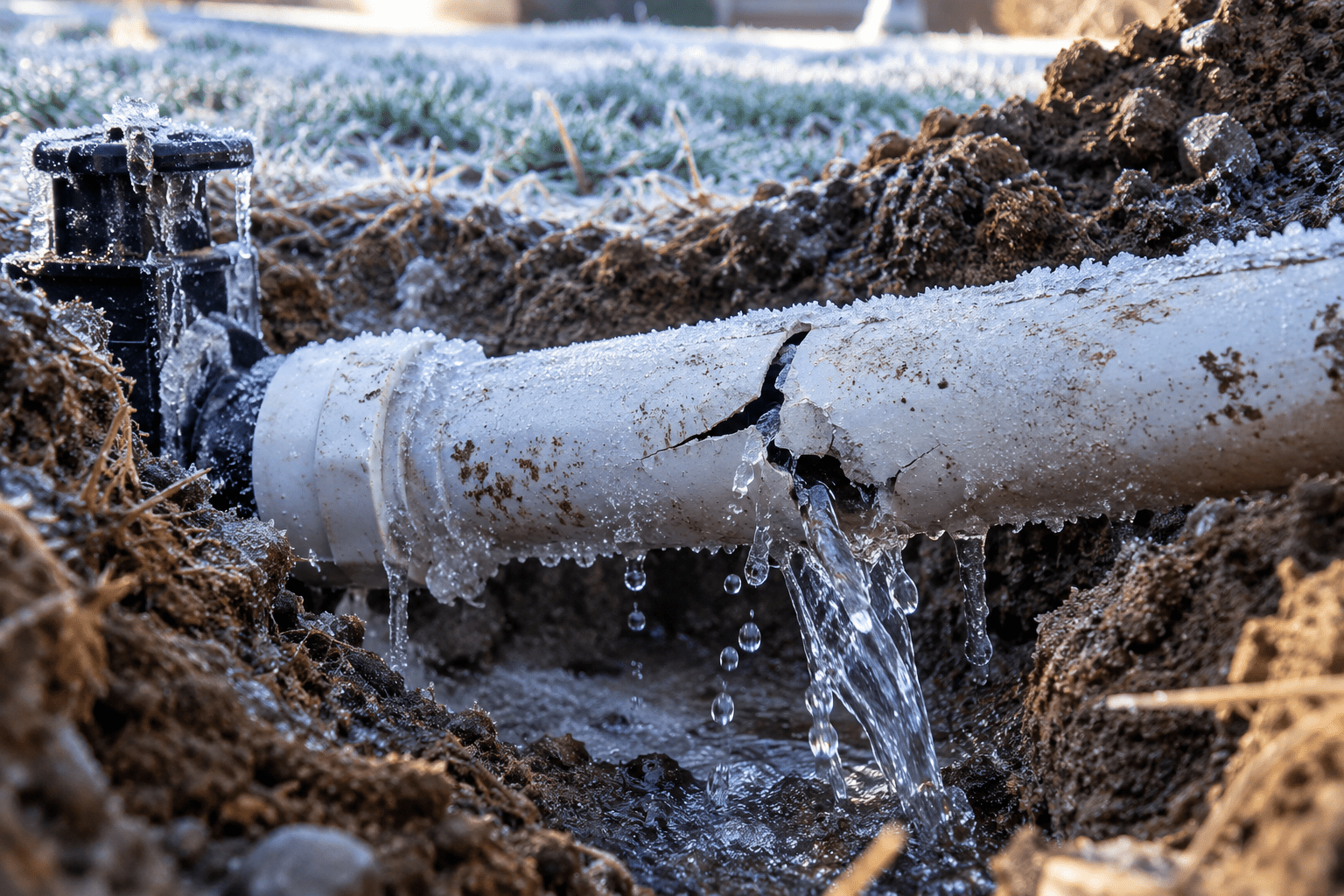
Prevent Frozen Pipes
Water trapped inside irrigation pipes can freeze and expand, putting pressure on PVC, polyethylene, fittings and other components.
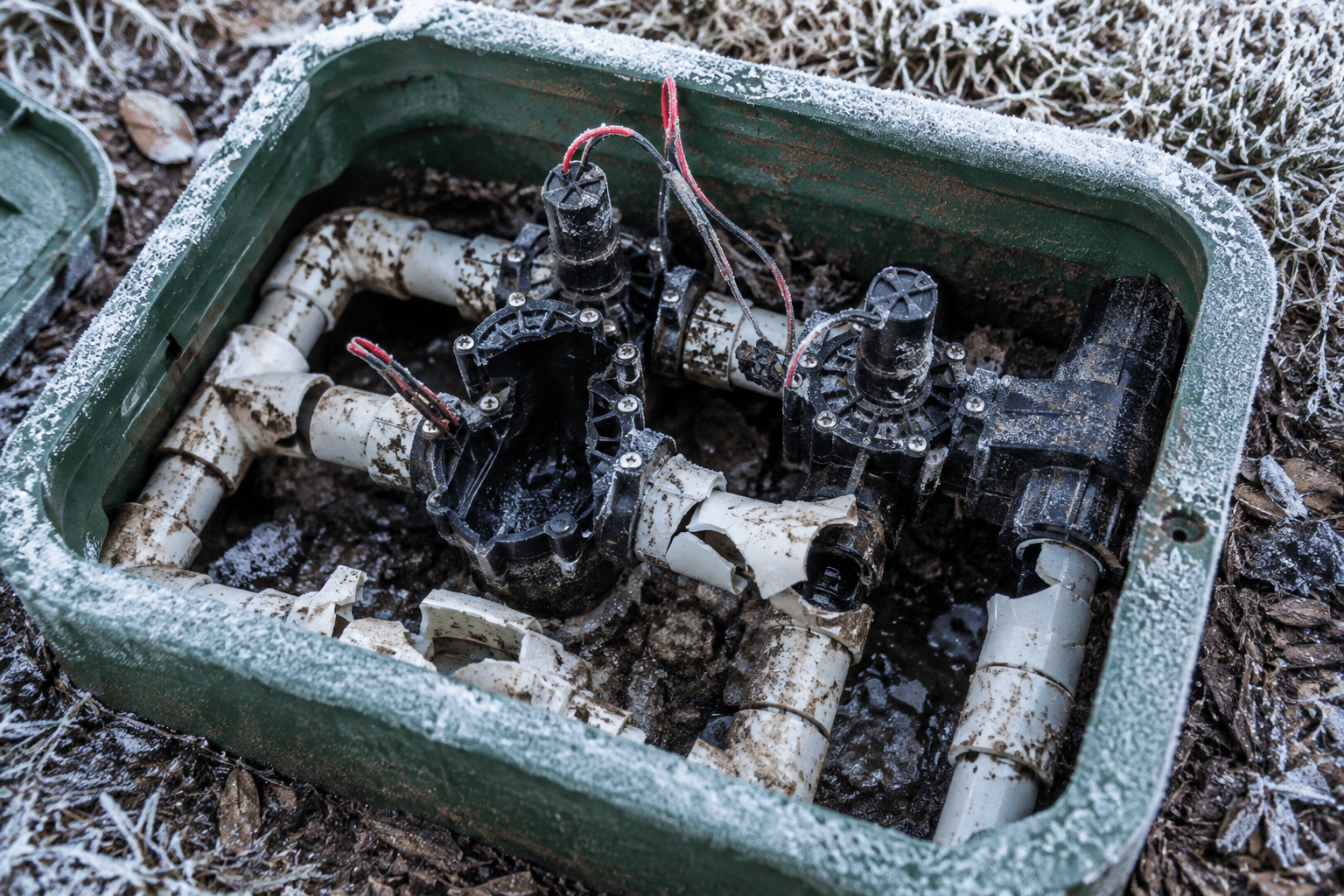
Protect Sprinkler Valves
Valves contain small internal components that can be damaged when trapped water freezes.
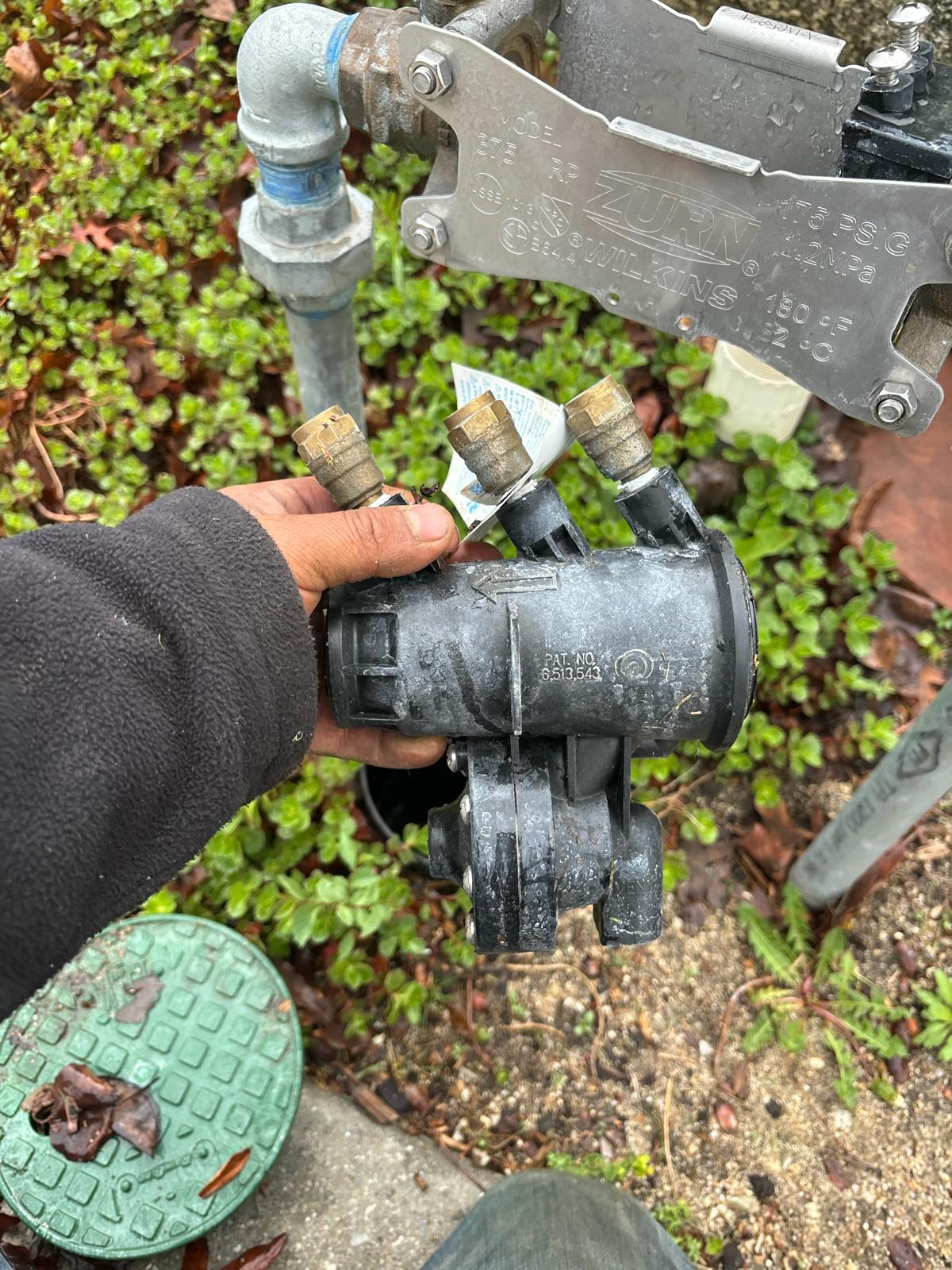
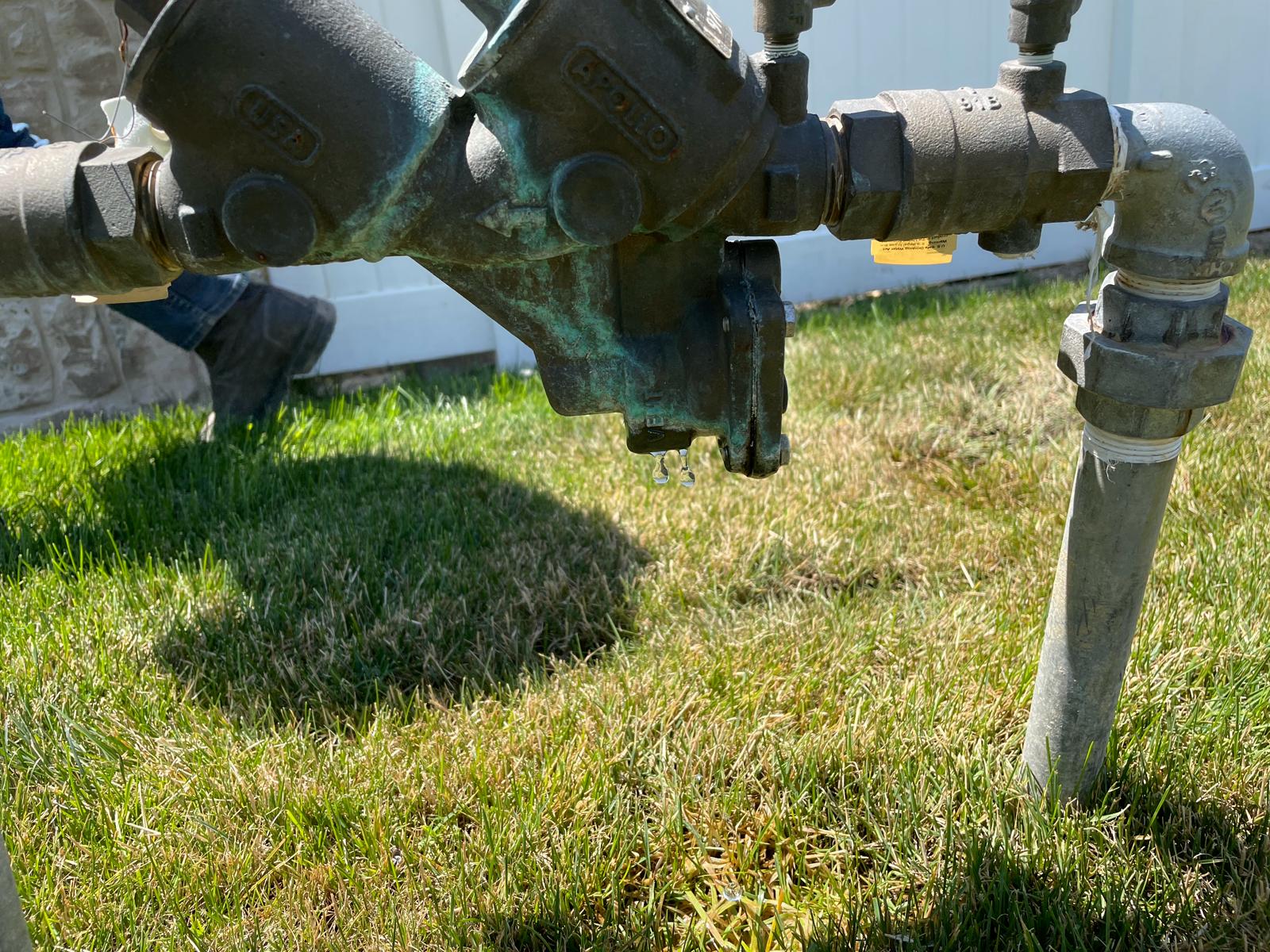
Protect Your Backflow Preventer
On systems connected to culinary water, the backflow preventer is an especially important component to properly prepare for winter.
Reduce the Risk of Spring Leaks
Freeze damage can remain hidden throughout winter. Sometimes the problem isn't discovered until the irrigation system is turned on again in spring.
Protect Your Investment
Preventive winterization can help avoid unnecessary repairs and extend the useful life of irrigation components.
Start Spring With Confidence
A properly winterized system is in a better position for inspection and startup when watering season returns.
Secondary Water vs. Culinary Water Winterization
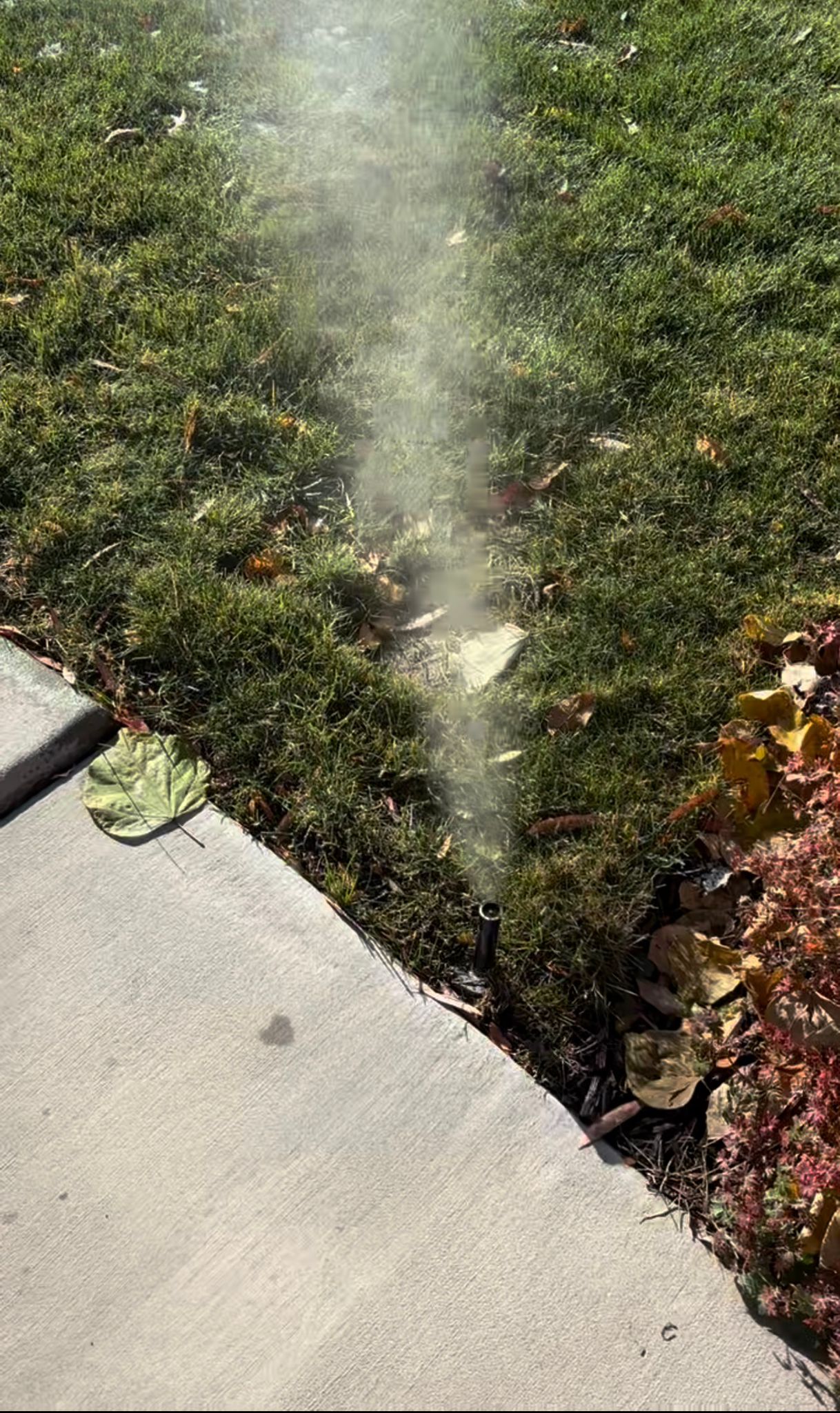
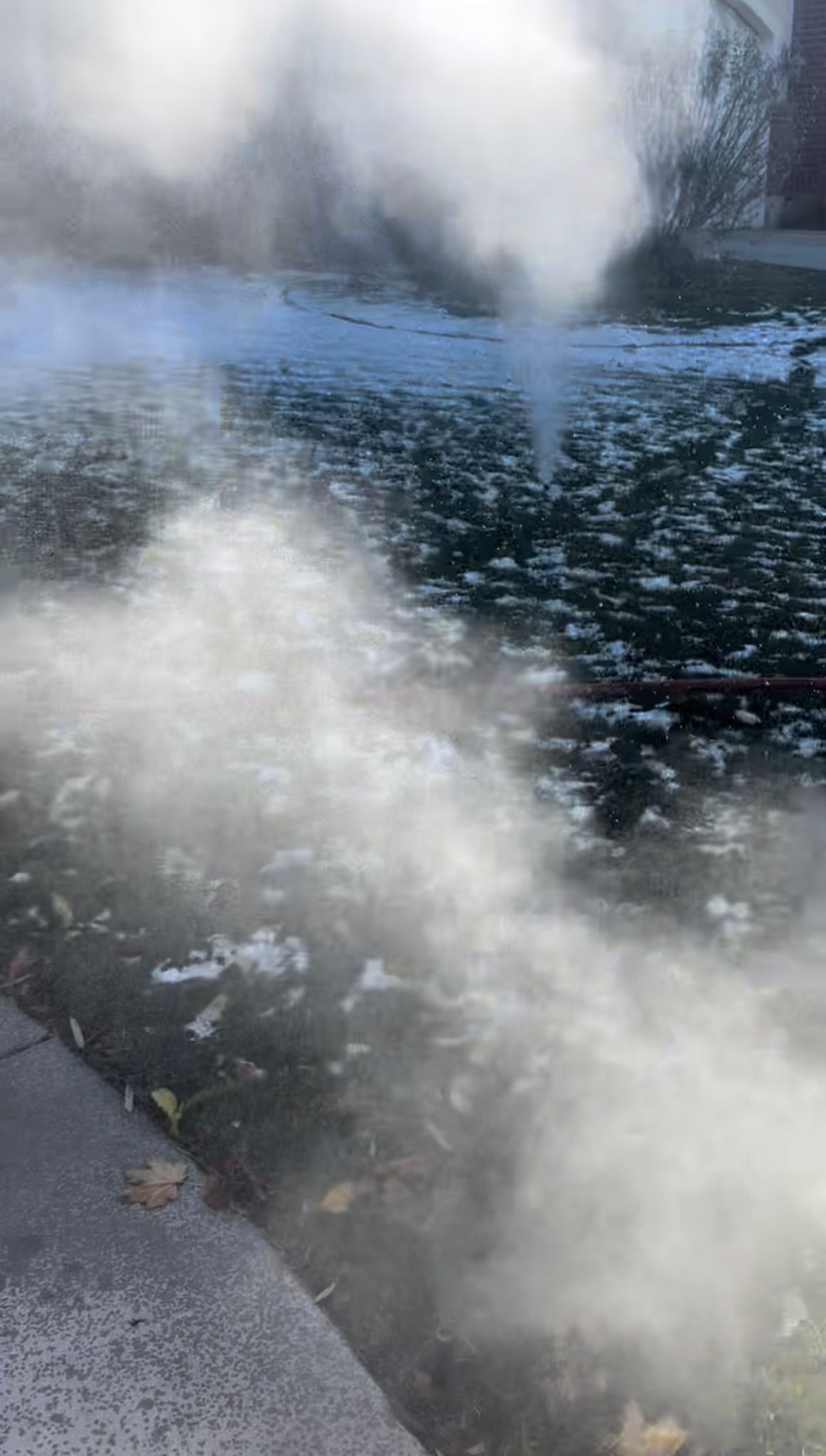
Many Utah communities use pressurized secondary water for landscape irrigation. Even when your city or water provider shuts down the secondary water supply for the season, water may still remain inside your property's irrigation lines and components.Your individual sprinkler system should still be properly shut down, depressurized, drained, and winterized.
When Should I Winterize My Sprinklers in Utah?
Don't wait for the first major freeze.The best time to winterize is after your landscape's primary watering season is ending but before sustained freezing temperatures create a risk to your irrigation system.For many properties along the Wasatch Front, this means scheduling winterization during October, although the correct timing depends on weather conditions, elevation, location, and your water provider's seasonal shutdown schedule.Appointments can fill quickly as freezing weather approaches, so scheduling ahead is the safest option.
Don't Let Winter Damage Your Sprinkler System
A sprinkler system can look perfectly fine all winter and still have freeze damage hidden underground. Protect your irrigation system before temperatures drop.