
Why Commercial Sprinkler Blowouts Are Important
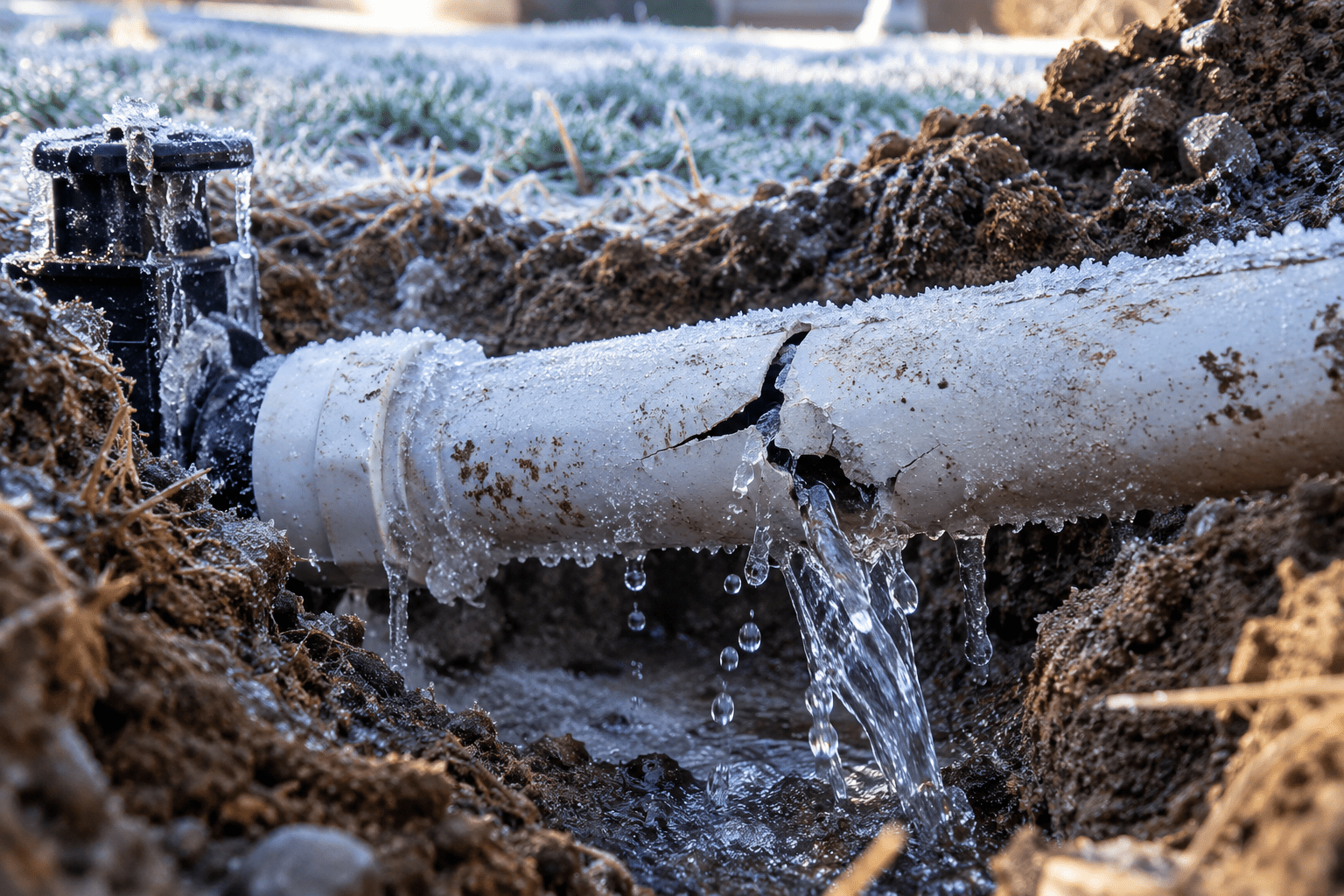
Prevent Freeze Damage to Irrigation Lines
Water trapped inside commercial irrigation lines can freeze and expand, potentially damaging pipes, fittings, valves, and other system components.
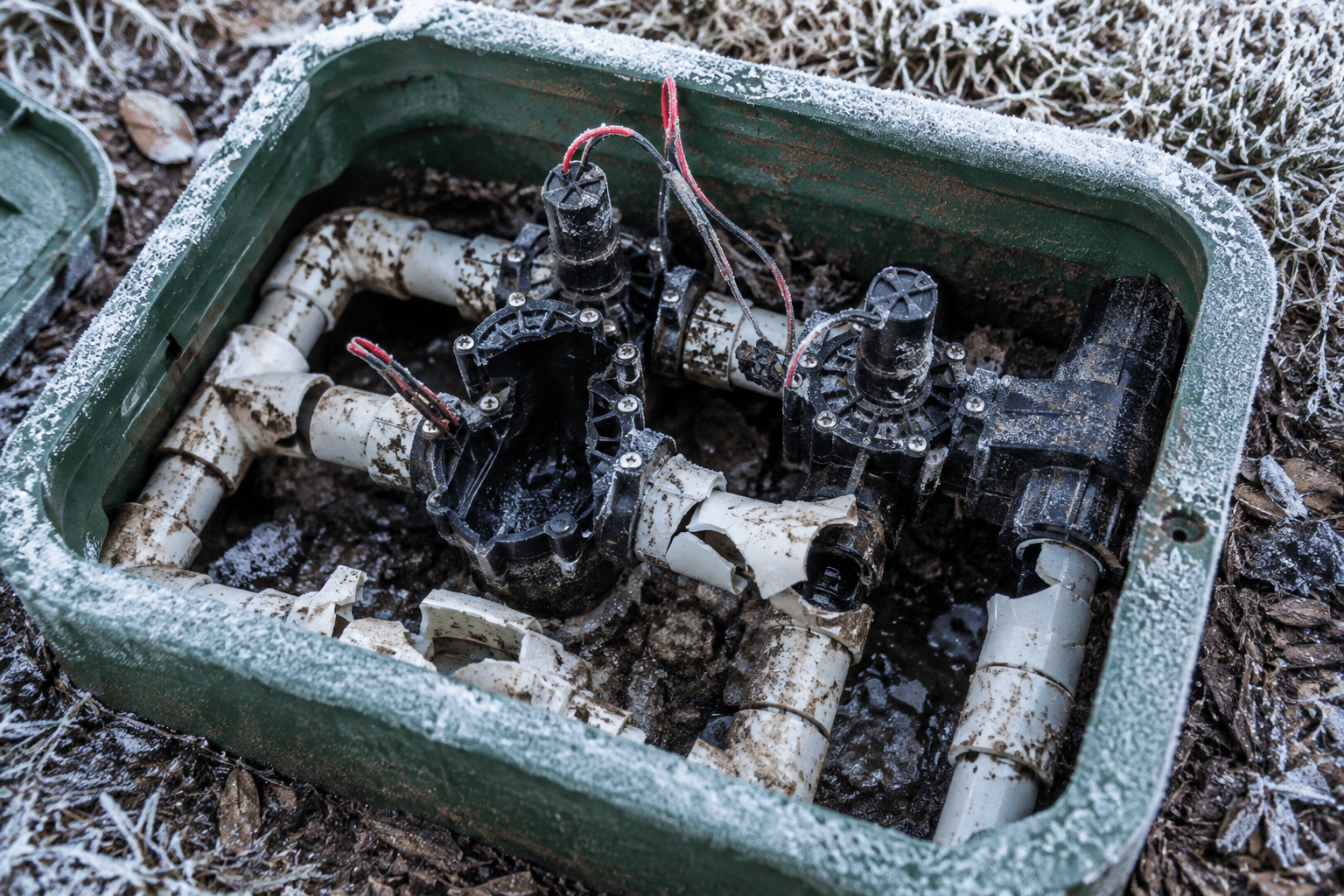
Protect Commercial Sprinkler Valves
Commercial irrigation systems may contain numerous valves and zones. Removing remaining water helps reduce the risk of freeze-related valve damage.
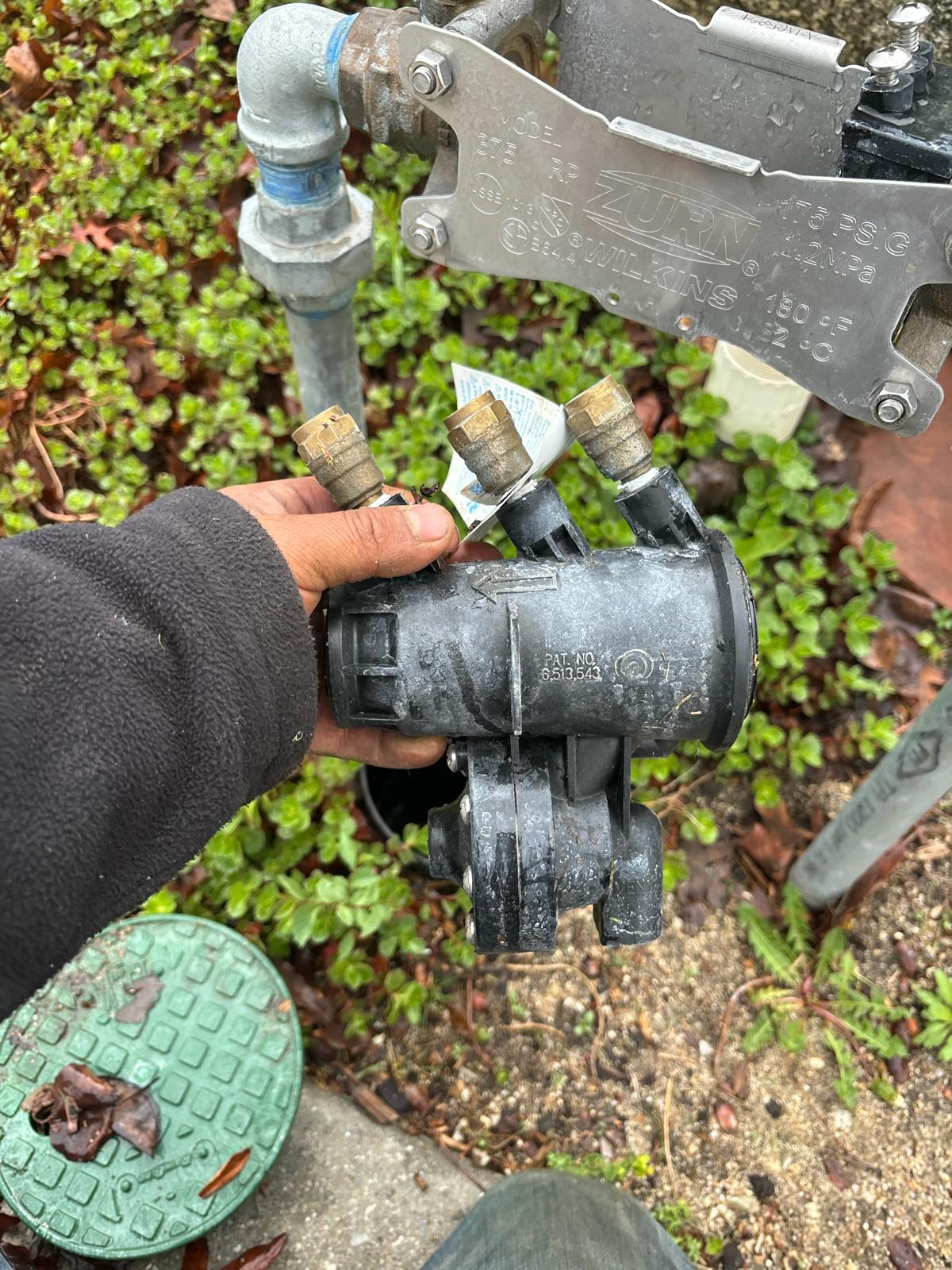
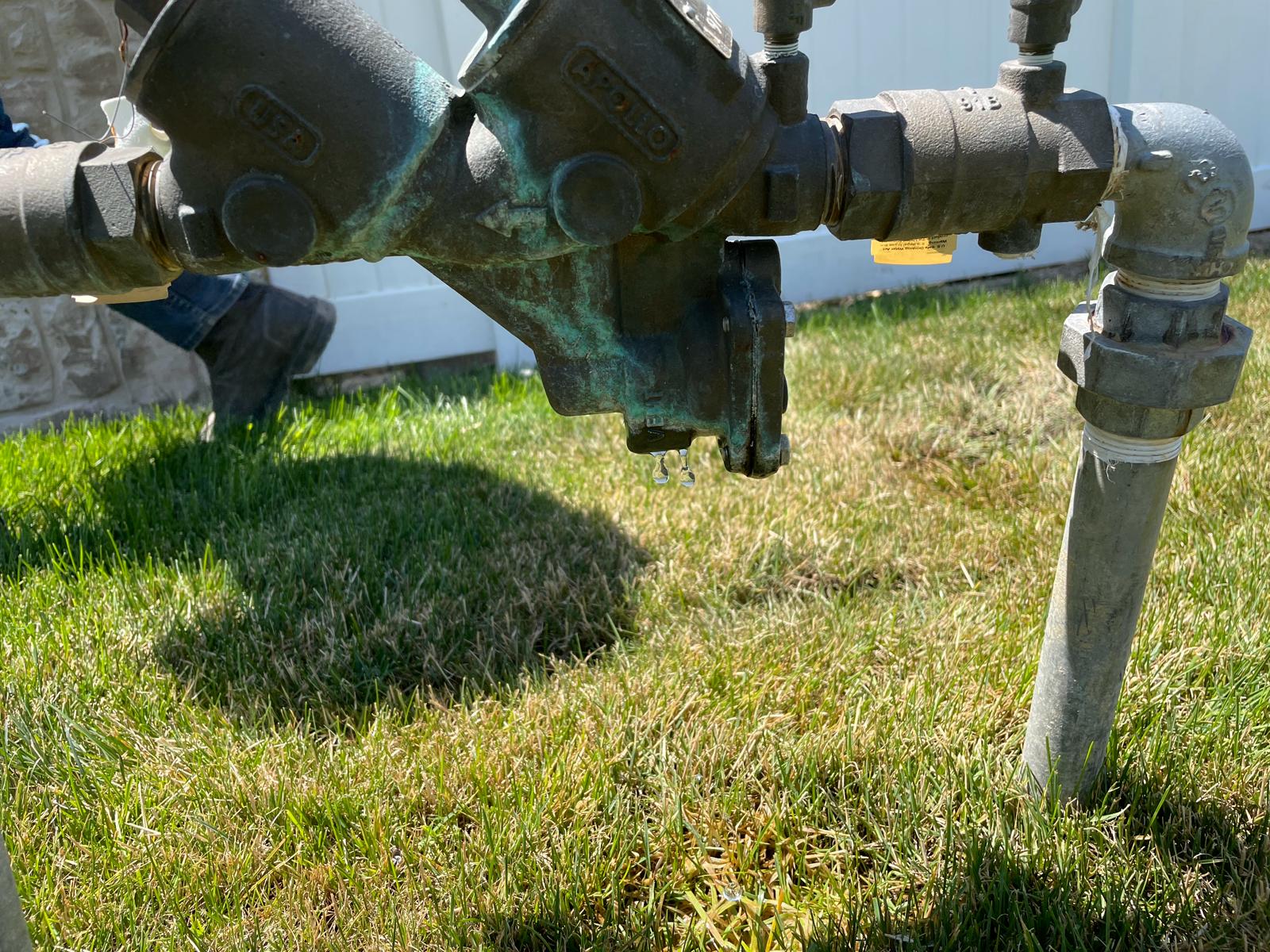
Protect Backflow Components
When applicable, backflow components require proper winter preparation to help protect them from Utah’s freezing temperatures.
Reduce the Risk of Costly Spring Repairs
Freeze damage can remain hidden throughout winter and may not become noticeable until the commercial irrigation system is started again in spring.
Protect Your Property’s Irrigation Investment
Professional commercial sprinkler blowouts help protect irrigation infrastructure and reduce the risk of unnecessary freeze-related repairs.
Be Ready for Spring Start-Up
A properly winterized commercial irrigation system is better prepared for inspection, testing, and start-up when Utah’s watering season returns.
Secondary Water vs. Culinary Water for Commercial Irrigation
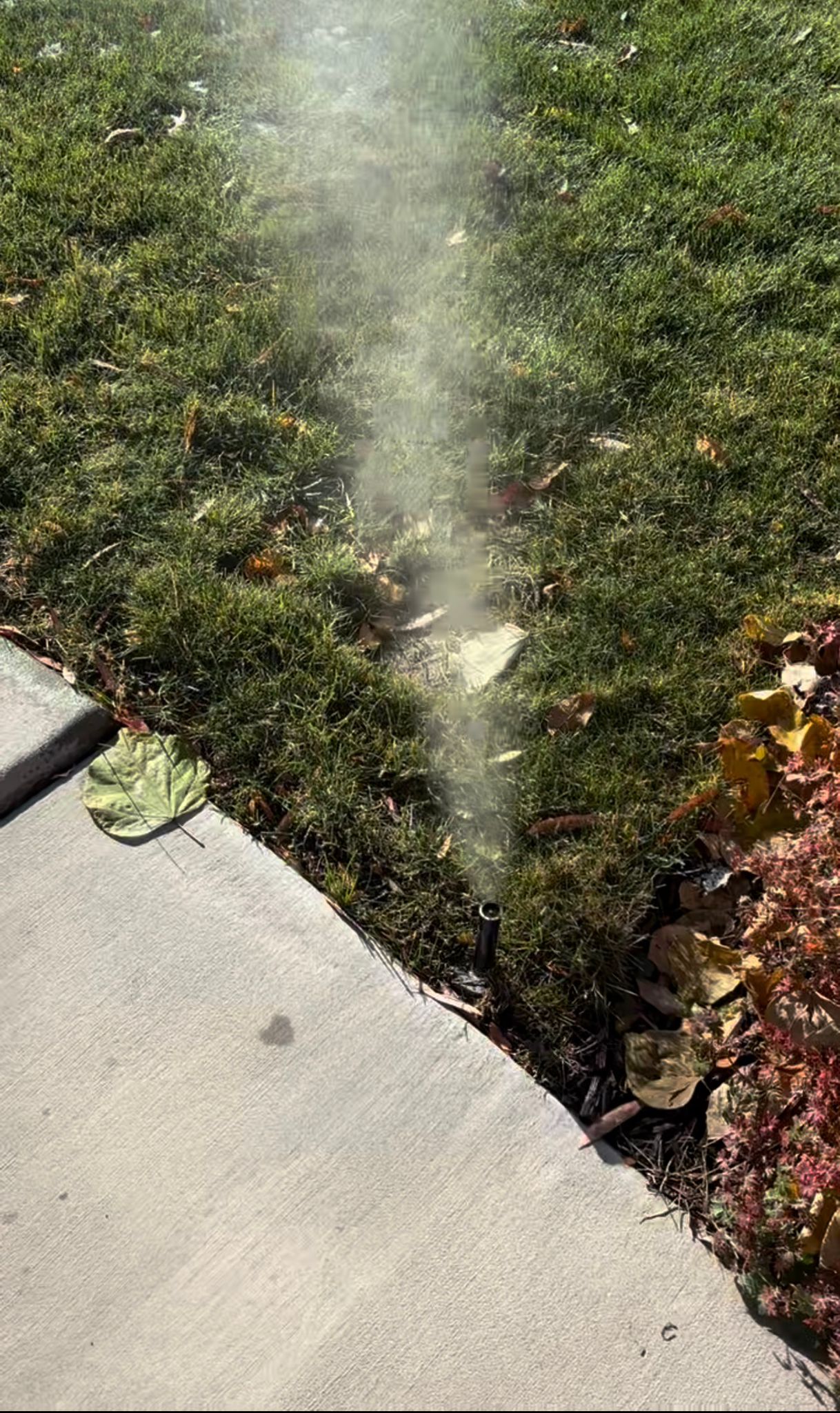
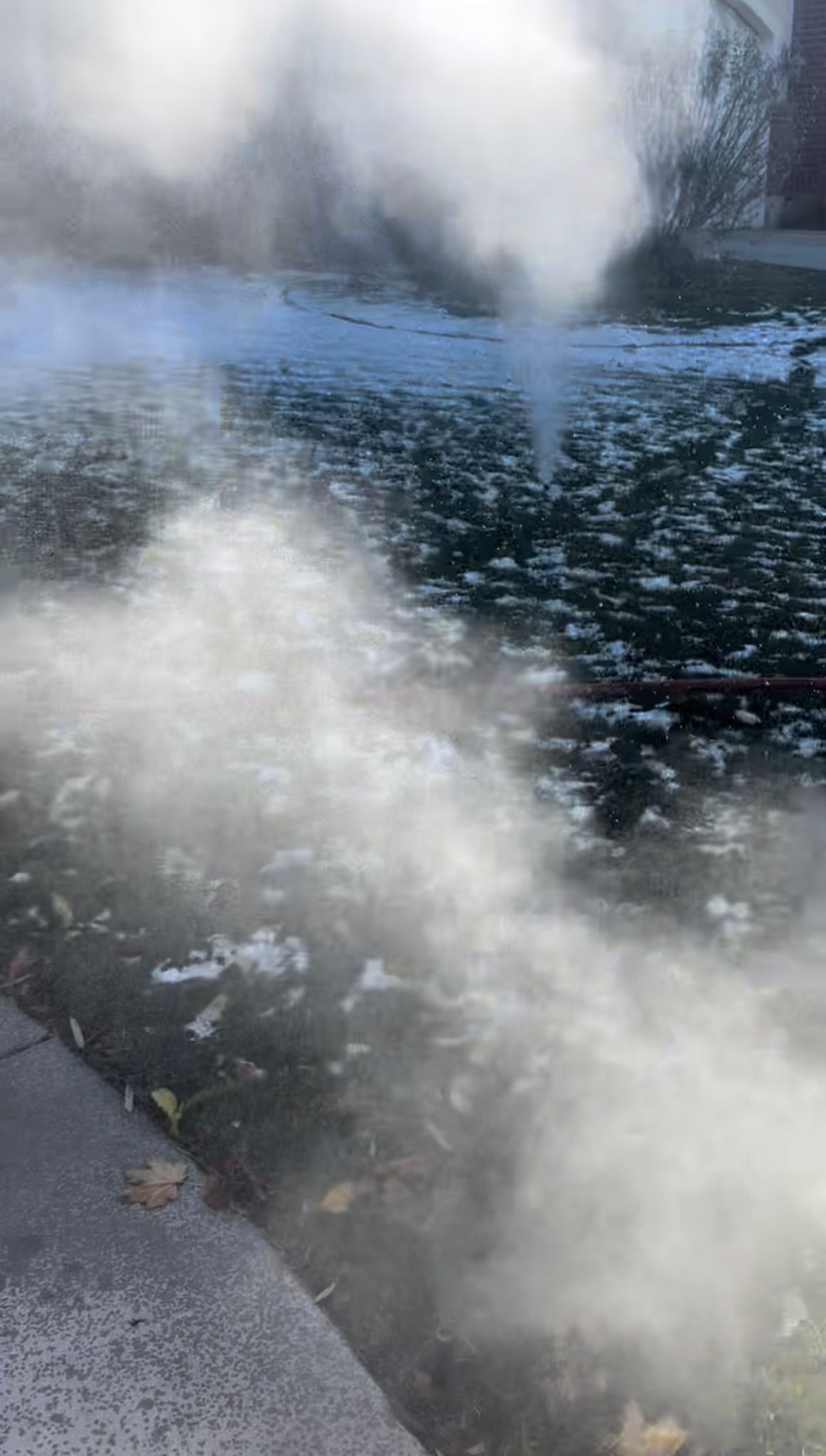
Commercial properties in Utah may use secondary water or culinary water for their irrigation systems. Regardless of the water source, water can remain trapped inside irrigation lines, valves, and other components after the seasonal water supply is shut down. A professional commercial sprinkler blowout helps remove remaining water and prepare the irrigation system for freezing temperatures.
When Should Commercial Sprinkler Systems Be Blown Out in Utah?
Don’t wait for the first major freeze. Commercial sprinkler blowouts should be scheduled after the primary watering season ends and before sustained freezing temperatures arrive. Larger commercial properties and multi-zone irrigation systems should schedule early to allow enough time for complete winterization.
Don’t Let Winter Damage Your Commercial Irrigation System
Freeze damage can affect underground irrigation lines, valves, sprinkler heads, fittings, and other components. Professional commercial sprinkler winterization helps protect your property’s irrigation infrastructure and reduce the risk of costly spring repairs.